
A lab result is only as good as the sample that produced it. If the sample doesn’t represent what’s actually in the tank or line, the test comes back accurate about the wrong thing. An Alfa Laval sampling valve exists to solve that problem right at the point of collection.
Manual sampling methods create more chances for that problem than most plants realize. A dipper might not reach deep enough into the tank. Or a sample cock might not get sanitized between draws. Sometimes a tank gets sampled before it’s properly agitated. Any one of those steps can turn a good lab test into a wrong answer.
Why an Alfa Laval Sampling Valve Beats a Manual Sample Cock
A manual sample cock is a simple fitting, and that simplicity is also its weakness. An operator has to sanitize it before each use. They have to flush the sanitizer out before drawing the sample. They have to close it carefully enough not to leave residue behind. Skip one of those steps under time pressure, and the sample carries that mistake with it before it ever leaves the valve.
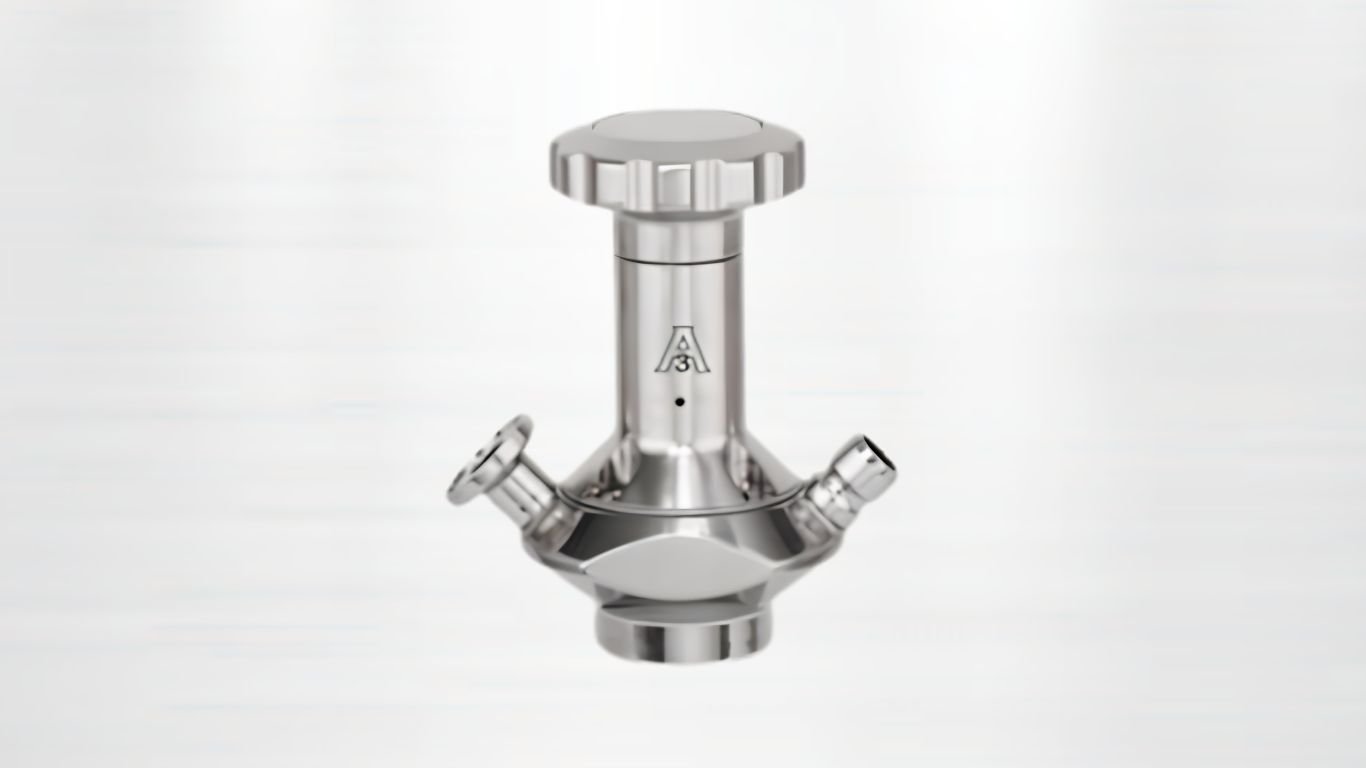
An Alfa Laval sampling valve replaces that multi-step manual process with a single hygienic action. A stretchable membrane seals the product side from the outside environment between draws. That design leaves no exposed thread and no dead space where product can collect and contaminate the next sample.
The valve gets sampled correctly by default. It doesn’t depend on an operator remembering every manual step under pressure, shift after shift. That matters most on a line that rarely slows down long enough to make careful sampling convenient.
What Actually Makes a Sample Representative
FDA’s own sample collector evaluation criteria spell out what a representative sample requires. The tank needs proper agitation before collection. Aseptic technique matters during the draw itself. And the sample point needs to actually reflect the bulk of the product, not just whatever is closest to the fitting. A perfectly designed valve on a poorly mixed tank still produces a sample that’s wrong.
That’s why sampling location matters as much as sampling hardware. A valve placed on a line right before or after a pasteurizer captures a different picture than one placed on a static holding tank. Plants running HTST pasteurizer systems often need sampling points at multiple stages of that process. Each point tells a different part of the same story about product safety and consistency.
A plant that only samples at the end of the line has no way to tell where a problem started. It could trace back upstream, or it could have developed somewhere closer to packaging.
Sampling Valves and the 3-A and PMO Compliance Chain
3-A Sanitary Standards cover sampling valves the same way they cover pumps, tanks, and fittings. That coverage matters more than it might seem at first. Regulatory guidance on the 3-A framework explains that the Pasteurized Milk Ordinance accepts 3-A conforming equipment as meeting its own sanitary design requirements. A 3-A compliant sampling valve isn’t just easier to clean. Regulators already recognize it as meeting the standard.
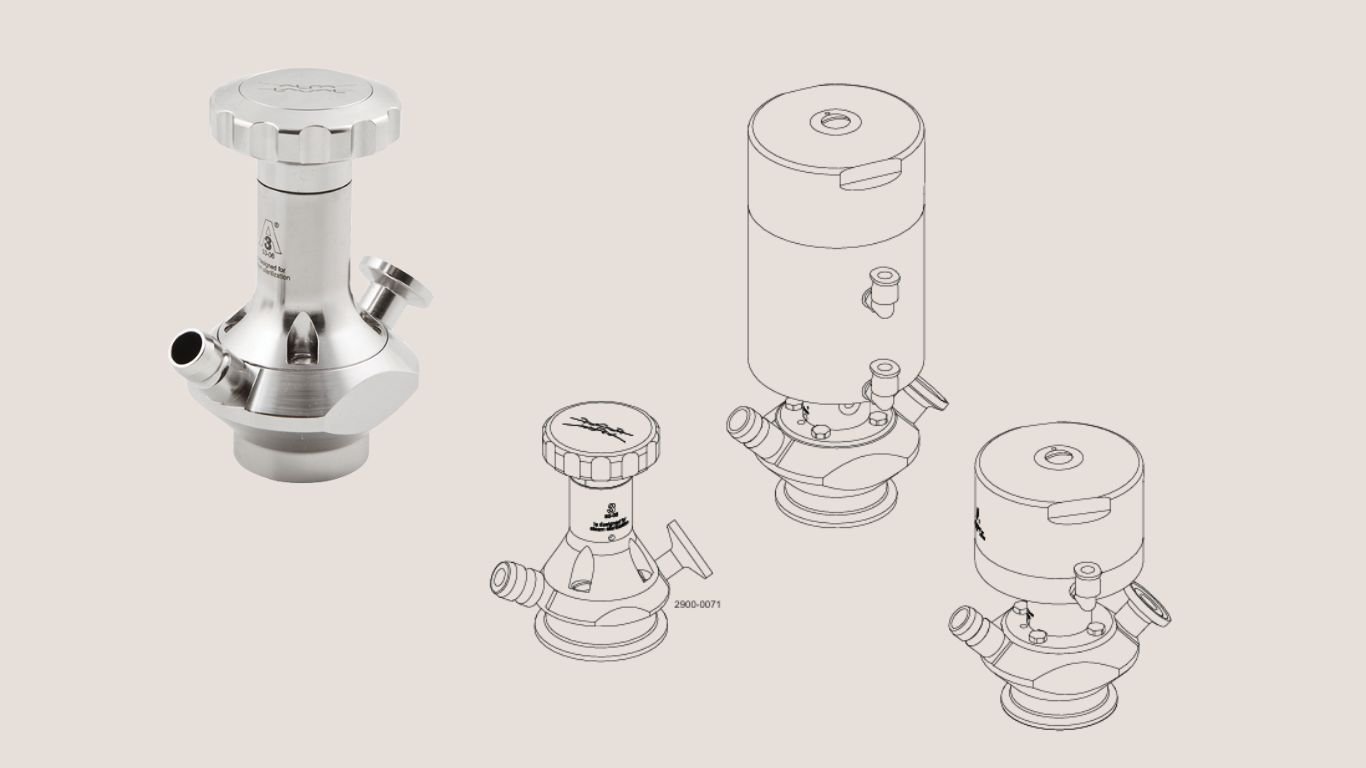
That compliance chain runs through the rest of the plant too. The same reasoning that governs tank cleaning equipment built for full CIP cycles applies to a sampling valve mounted in that same circuit. Neither one should become the weak link that forces a plant back to manual disassembly and cleaning, especially on a line where every other component was specified to avoid exactly that outcome.
Alfa Laval Sampling Valves Installed by Koss Across the Line
Koss Industrial is an Authorized Alfa Laval Master Distributor. It specs and installs sampling valves as part of the same lines it builds and services. The valves aren’t an afterthought bolted on after the fact. Consistent sampling data over time is also easier to trust when a plant pairs it with predictive maintenance. A valve drifting out of proper seal or actuation tends to show up in that data before it shows up as a failed test result.
Koss specializes in building for the cheese industry and the broader dairy and beverage plants it serves, not for generic industrial sampling. Getting the sample point right is a small line item compared to the rest of a build, but it’s often the piece that decides whether a lab result can be trusted. Wisconsin dairy and beverage plants know exactly what a bad sample costs them in lab time and second-guessed results. As an Authorized Alfa Laval Master Distributor, the Koss team can design and install the sampling points needed to make things right.


