
Restoring corrosion resistance after stainless steel fabrication used to mean handling hazardous nitric acid and managing its ongoing disposal costs. Modern stainless steel passivation with citric acid removes free iron and rebuilds the protective chromium oxide layer well. Facilities trying to reduce hazardous chemical waste and protect worker safety benefit the most from this shift.
Fabrication shops and food processors alike face growing regulatory pressure to cut chemical hazards from daily operations. Choosing a passivation method with a smaller environmental footprint supports those broader goals without ever compromising equipment protection. Many facilities across the country now choose citric acid passivation as their long-term preferred corrosion protection method.
Citric acid passivation removes free iron and restores the chromium oxide layer just as reliably as pure nitric acid. The process avoids toxic fumes, hazardous waste, and the strict daily handling nitric acid always requires. Facilities gain equal corrosion protection alongside far lower safety risks and much lower total disposal costs.
Reducing Hazardous Waste With Stainless Steel Passivation
Nitric acid passivation historically generates hazardous waste requiring special handling, strict permits, and costly disposal procedures at most fabrication facilities. A ScienceDirect study comparing life cycle impacts found that citric acid passivation carries a lower environmental burden than nitric acid. Facilities switching to citric acid routinely see total disposal costs drop noticeably alongside far less regulatory paperwork each year.
Citric acid solutions break down far more readily than nitric acid byproducts inside standard municipal wastewater treatment systems. Better biodegradability therefore simplifies much needed regulatory compliance for plants lacking specialized on-site hazardous waste treatment infrastructure.
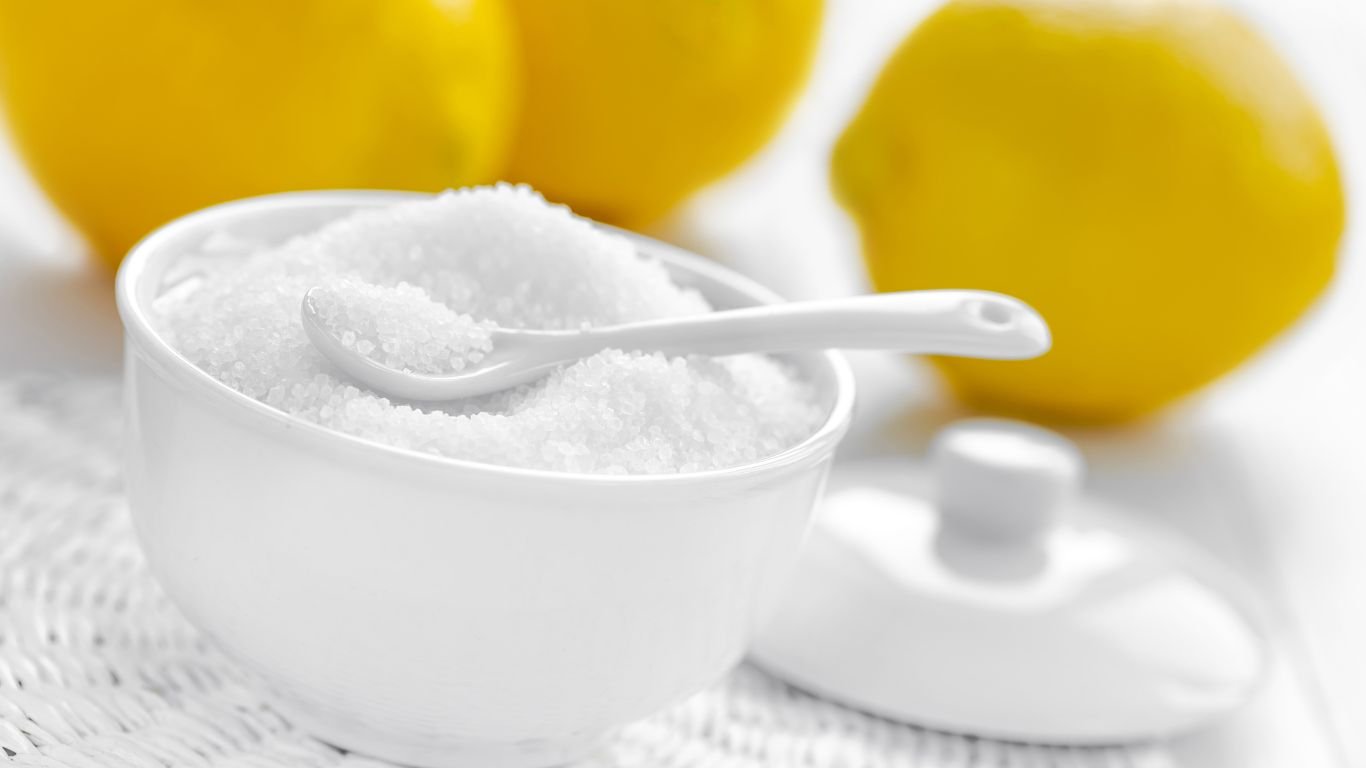
Fabricators pursuing food-grade certification increasingly specify stainless steel passivation projects using proven citric acid treatment solutions. Reviewing a food-grade facility checklist helps fabrication teams verify passivation work aligns closely with strict certification standards. Consequently, plants reduce both chemical liability and long-term disposal expenses through one simple deliberate process change.
Environmental regulators increasingly favor treatment processes carrying much smaller chemical footprints across manufacturing facilities nationwide today. Stainless steel passivation with citric acid meets those growing expectations while still protecting full corrosion resistance quality. Overall, the switch supports compliance goals without adding any extra operational complexity to daily fabrication schedules.
Protecting Worker Safety During Passivation
Nitric acid produces toxic fumes that demand strong ventilation, respirators, and strict daily handling protocols onsite. Citric acid solutions generate no comparable fumes, cutting the protective equipment facilities must regularly purchase and maintain. Lower fume exposure makes stainless steel passivation much easier to manage across smaller independent fabrication shops.
Worker exposure incidents involving nitric acid can trigger costly regulatory reporting and lengthy internal safety reviews. Switching to citric acid removes much of that ongoing risk from daily plant operations almost entirely. Safety teams therefore spend far less time managing chemical hazard programs tied to daily passivation work.
Fewer safety incidents also mean less downtime spent investigating chemical exposure events across the entire plant. Plants that maintain strong hygiene practices regularly see far fewer safety and compliance issues overall each quarter.
Facilities researching modern tank cleaning equipment often find hygiene and safety gains overlap directly across every production team. Better hygiene habits reduce contamination risk alongside the chemical hazards that daily passivation work creates.
Instead of managing chemical hazard programs constantly, teams focus more on steady daily production efficiency gains. Facility leaders view safer passivation methods as a smart long-term investment clearly worth making today.
What to Expect From a Professional Stainless Steel Passivation Process
Professional stainless steel passivation always begins with thorough surface cleaning to remove oils, grease, and debris. Technicians carefully inspect every weld and surface finish before applying any passivation chemistry to the metal. Proper surface preparation ensures the acid solution reaches every area needing treatment across the fabricated assembly.
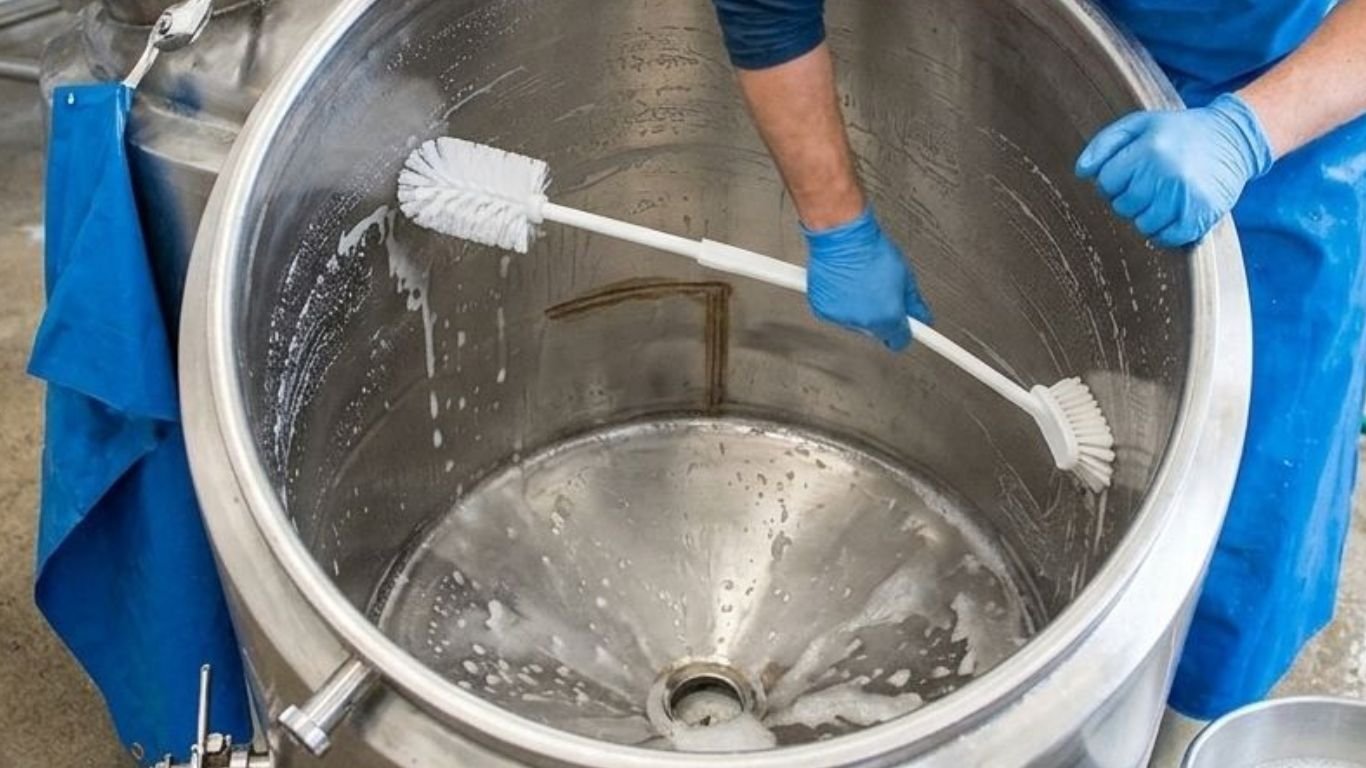
Technicians carefully apply the citric acid solution at a controlled temperature for a specific set dwell time. Dwell time typically ranges from twenty minutes to several hours, depending on the specific stainless alloy. Temperature and concentration control together determine how well the finished treatment restores lasting corrosion resistance overall.
After treatment, technicians rinse the entire surface thoroughly to remove any remaining residual acid chemistry fully. Rinsing carefully prevents any leftover acid from damaging the finished stainless steel surface over the long term. Facilities often follow rinsing with a brief final drying step before verification testing officially gets underway.
Ferroxyl testing carefully and thoroughly checks the entire treated surface for any remaining traces of free iron. Copper sulfate testing similarly confirms whether any exposed iron still remains on the finished stainless surface.
Passing both verification tests confirms the entire passivation process fully restored complete corrosion resistance and protection. Shops handling custom equipment fabrication projects always build passivation verification into their own standard quality process.
Upgrade Your Stainless Steel Passivation Process Today
Choosing stainless steel passivation with citric acid protects your equipment, your workers, and compliance records at once. The process delivers corrosion resistance fully equal to nitric acid with far less hazardous risk overall. Making the switch remains a straightforward way to strengthen both fabrication and long-term workplace safety standards.
Koss Industrial fabricates and finishes stainless steel equipment using citric acid passivation as a standard practice. Our experienced team can walk you through how passivation protects your equipment and supports safety goals. Reach out to our team today through our contact page to discuss your next equipment project.


