
A food processing plant can run milk through a diaphragm valve for years without trouble. Once it switches to a citrus-based beverage on the same line, expect leaks show up within weeks. While the valve body hasn’t changed, the elastomer diaphragm experiences material breakdown. That’s because citric acid break down elastomers much faster than milk does. CIP heat and repeated flexing can also wear the diaphragm valves down. However, using the wrong material for the product usually accelerates the damage faster.
Sanitary diaphragm valves control flow by pressing a flexible diaphragm against a weir. As there’s no moving stem through the product path, the mechanism stays separated from whatever is flowing through the pipe. This system is why processors favor diaphragm valves for shutoff and throttling in cheese, dairy, and beverage lines. The seal quality determines whether the valve performs its job adequately.
Match the Elastomer to What’s Actually in the Line
Not every elastomer behaves the same way on a real production line. EPDM (ethylene propylene diene monomer) resists steam and caustic cleaners well. That makes it a common choice for CIP-heavy dairy work. PTFE (polytetrafluoroethylene) diaphragms hold up better against fats, oils, and harsh chemicals. They cost more, though, and flex less easily than rubber compounds.
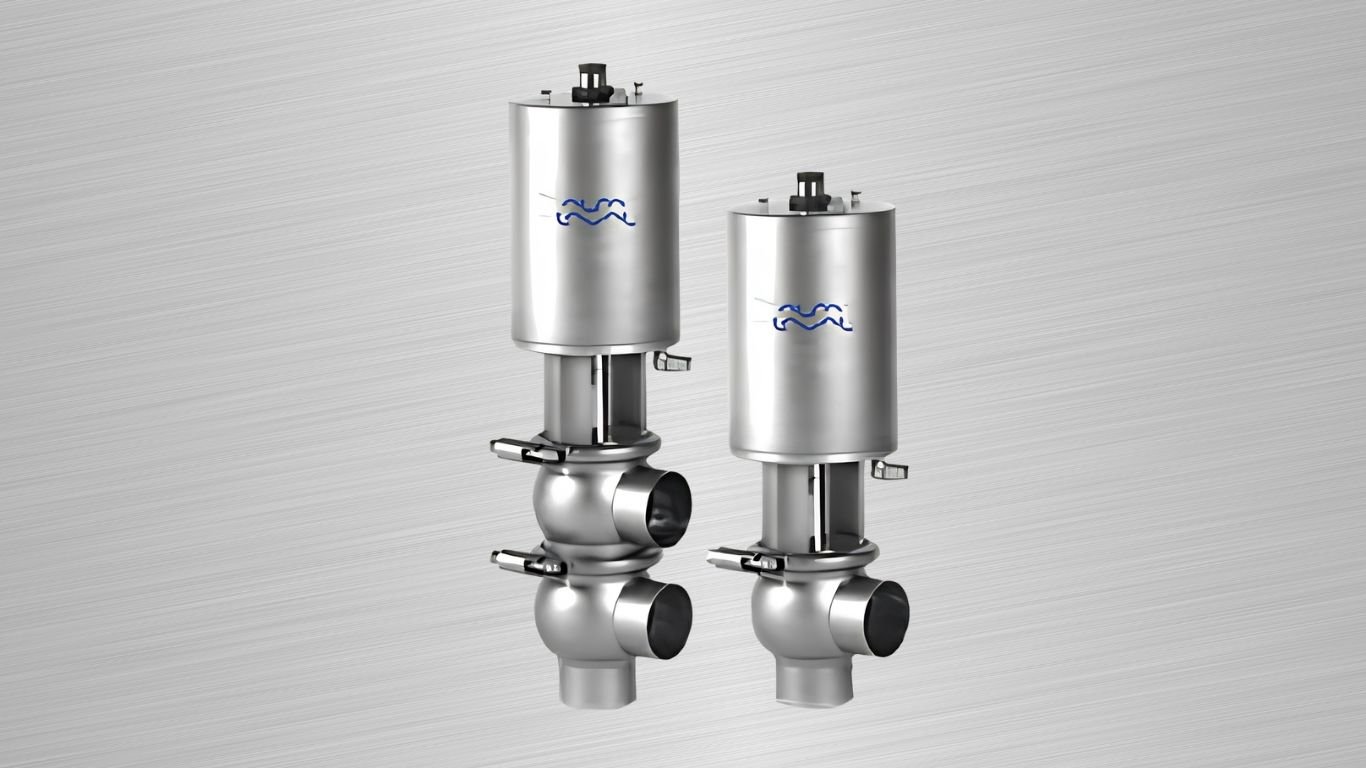
Temperature swings matter as much as chemical exposure. A diaphragm built for the steady heat of an HTST pasteurization system can still crack under a CIP wash. The rapid heating and cooling stresses a compound that wasn’t chosen with thermal cycling in mind. Review the full range a line hits, not just its average operating point. That habit catches a mismatch before it shows up months later as a leak.
Regulatory Compliance Narrows the Field First
Every elastomer in direct food contact has to meet the FDA’s strict regulations. This guideline limits what materials and additives can touch food and also caps how much can migrate out during use. That requirement narrows the field before cost or flex life even enters the conversation. A diaphragm that fails compliance testing isn’t an option, no matter how good its price looks.
The dairy industry layers a second set of requirements on top of that FDA baseline. 3-A Sanitary Standards Inc. groups rubber materials into four temperature classes based on how hot the product and the cleaning cycle actually run. A compound rated for one class doesn’t have the same heat resistance as the others, so matching the elastomer’s class to a line’s real operating temperature matters as much as picking the right base polymer.
The differences between compounds aren’t limited to heat tolerance. Silicone diaphragms flex easily across a wide temperature range but wear faster under abrasive product flow. Nitrile handles fats and oils well but breaks down faster under steam than EPDM does. Picking a mid-priced option and hoping for the best won’t get you ideal tradeoff. For best results, match the compound to the right product, the right cleaning chemistry, and the allowed temperature swings within the specific line.
How Weir Geometry Affects Diaphragm Valves
A weir-style diaphragm valve gets its name from a raised weir inside the body. It meets the diaphragm partway across the flow path, so the diaphragm covers less distance to form a seal. That shorter travel saves wear across thousands of cycles, which is why Koss’s tank cleaning equipment and CIP piping runs favor this style. A straight-through valve skips the weir, clearing a wide path for thick or particulate-heavy products. The diaphragm pays for that open path by traveling farther on every cycle, and it wears out sooner as a result.
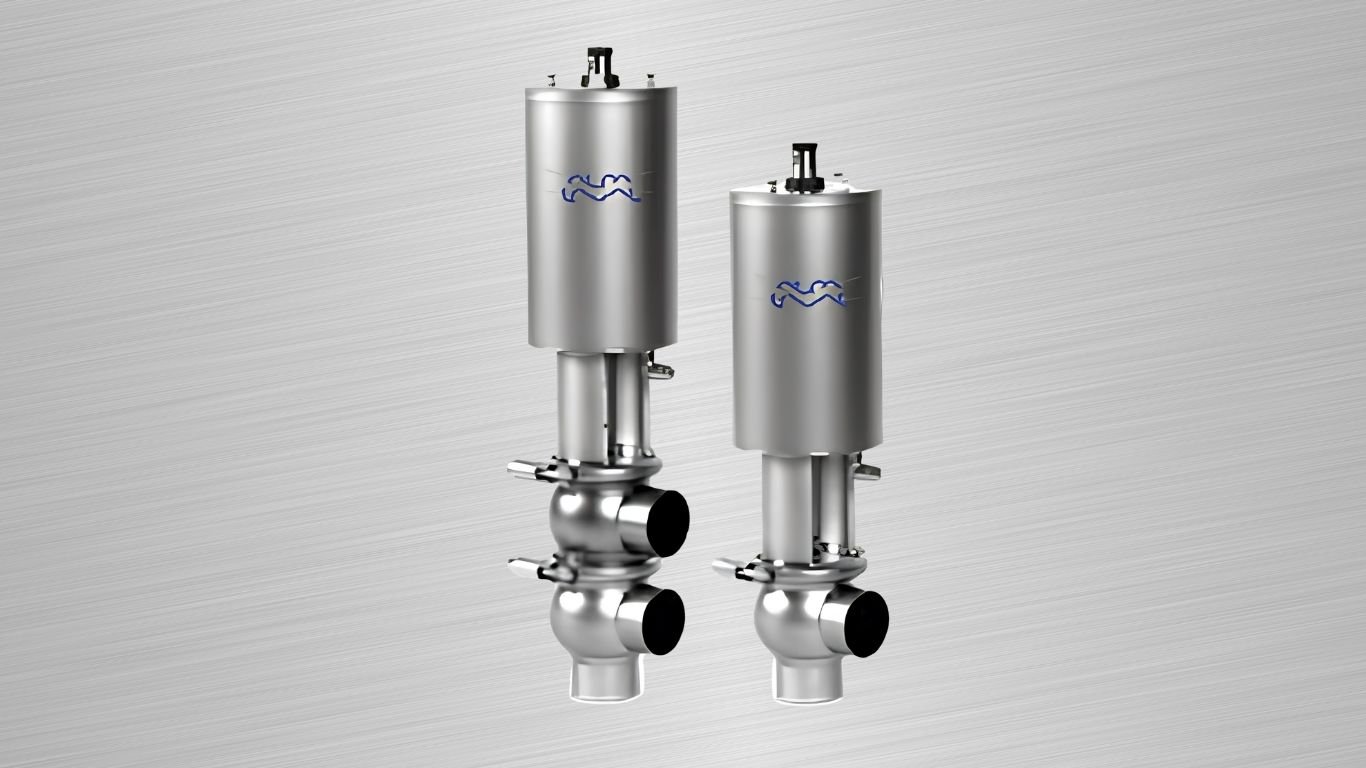
Fabricators picking an elastomer for the diaphragm have to weigh this geometry choice alongside the product itself. A soft, flexible compound that holds up fine in a weir-style valve may wear out fast in a straight-through design. Product chemistry sets one boundary on the material choice. Valve geometry sets another. Koss weighs both options before recommending the right elastomer for cheese and dairy lines.
Installation Habits That Extend Service Life
Even the right elastomer underperforms with poor installation or upkeep. Over-tightening the valve body can pre-stress the diaphragm before it ever sees product flow. That shortens its life before the first cycle even runs. Under-tightening lets product bypass the seal entirely.
Facilities that pair correct torque specs with a documented replacement interval get more consistent life from every diaphragm they install. That’s the same logic behind facility hygiene practices: a written procedure beats a judgment call made cycle by cycle, every time.
Getting the elastomer right the first time costs less than replacing a diaphragm every few months. The wrong compound in service adds up fast in downtime, parts, and the labor to swap them out. Koss Industrial’s engineering team works through the product chemistry, temperature range, and cleaning routine for a line before recommending a diaphragm valve configuration. That way, the seal matches what the process actually demands. If your facility’s diaphragm valves keep failing early on, let the Koss team take a look. We’ll share our expertise in matching the right materials to your manufacturing line’s requirements.


