
Steam service places unique thermal and pressure demands on equipment that many heat transfer applications rarely encounter. Choosing among heat exchanger types without accounting for those demands leads to poor performance and early failure. Understanding how each design handles steam helps you specify equipment that lasts for years.
Pressure ratings, condensate handling, and thermal cycling all separate steam service from simple liquid heating duties in food plants. Some heat exchanger types manage these challenges gracefully, while others struggle badly under real steam pressure conditions. You can use this guide to compare the designs best suited for steam applications in food and beverage processing plants.
Which Heat Exchanger Types Work Best for Steam Applications?
Shell and tube designs handle high-pressure steam reliably thanks to their robust construction and simple geometry. Plate heat exchangers offer compact, efficient steam-to-liquid transfer for facilities running lower-pressure steam applications. Coil-in-tank designs suit batch processes needing gentle, indirect steam heating within an enclosed process vessel.
Shell and Tube Heat Exchanger Types for High-Pressure Steam Service
Shell and tube heat exchanger types remain the standard choice for high-pressure steam service in food plants. Their robust construction tolerates repeated thermal cycling far better than compact plate alternatives can manage. The table below breaks down what keeps this design running safely over its full service life.
| Condensate management | Proper drainage design that clears trapped condensate | Prevents water hammer and protects components from thermal shock |
| Routine inspection | Checking tube bundles for scale, pitting, and corrosion | Protects your equipment investment and keeps output reliable |
| Tube bundle replacement | Scheduling full replacement during planned shutdowns | Keeps your steam system running safely for years to come |
| Capacity sizing | Matching new equipment capacity to real production demand | Avoids an undersized or oversized steam system for your plant |
Facilities upgrading aging steam systems often turn to our procurement guide for pasteurizer technology for sizing help. Maintenance access stays straightforward, since technicians can pull the entire tube bundle for full internal inspection. Working with an experienced fabricator keeps your steam system running safely for years to come.
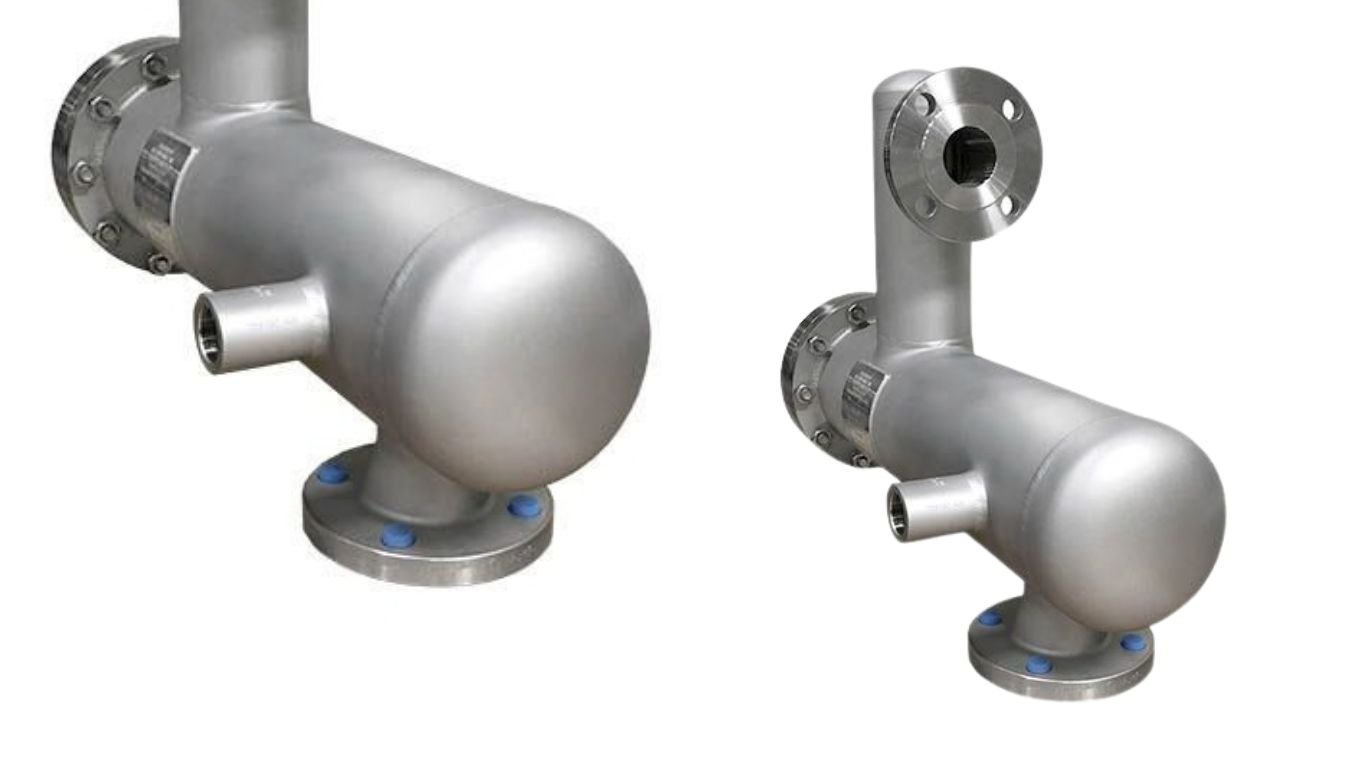
Such durability makes shell and tube the default choice for demanding steam applications across most food plants. Careful, scheduled upkeep protects your equipment investment and keeps steam output reliable across every shift.
Plate Heat Exchangers for Compact Steam-to-Liquid Transfer
Plate heat exchanger types deliver strong, efficient thermal transfer in a much smaller footprint than shell and tube units. Steam-to-liquid transfer happens quickly across the tightly spaced, corrugated plate surfaces inside each compact unit design. In practice, this efficiency makes plate designs attractive wherever floor space runs tight in your facility.
Gasket material choice affects performance directly, since standard gaskets degrade under sustained steam heat. Specifying steam-rated gaskets protects the whole plate pack from premature failure and costly unplanned downtime. Facilities in colder climates still benefit from added insulation wrapped around exposed plate frame edges.
Reviewing our heat exchanger energy efficiency guidance helps determine whether plate technology fits your steam application. Plate units often recover far more waste heat than bulkier alternatives crammed into tight utility rooms.
Facilities prioritizing energy savings frequently choose plate designs for that specific reason during equipment upgrades. As a result, plate designs remain popular whenever available utility room space runs short on renovation projects. Compact footprints help plants meet strict layout limits in older processing buildings as well.
Regular gasket inspection protects plate units from leaks that pressure cycling can eventually cause. Scheduled preventive maintenance keeps these compact units performing reliably for fifteen years or more.
Coil-in-Tank Designs for Gentle Batch Steam Heating
Coil-in-tank heat exchanger types heat batch process vessels indirectly, keeping steam separate from the product. Such separation protects delicate products from the direct contact some steam methods would otherwise require. Cheese vats and batch pasteurizers commonly rely on this gentler, indirect batch heating approach.
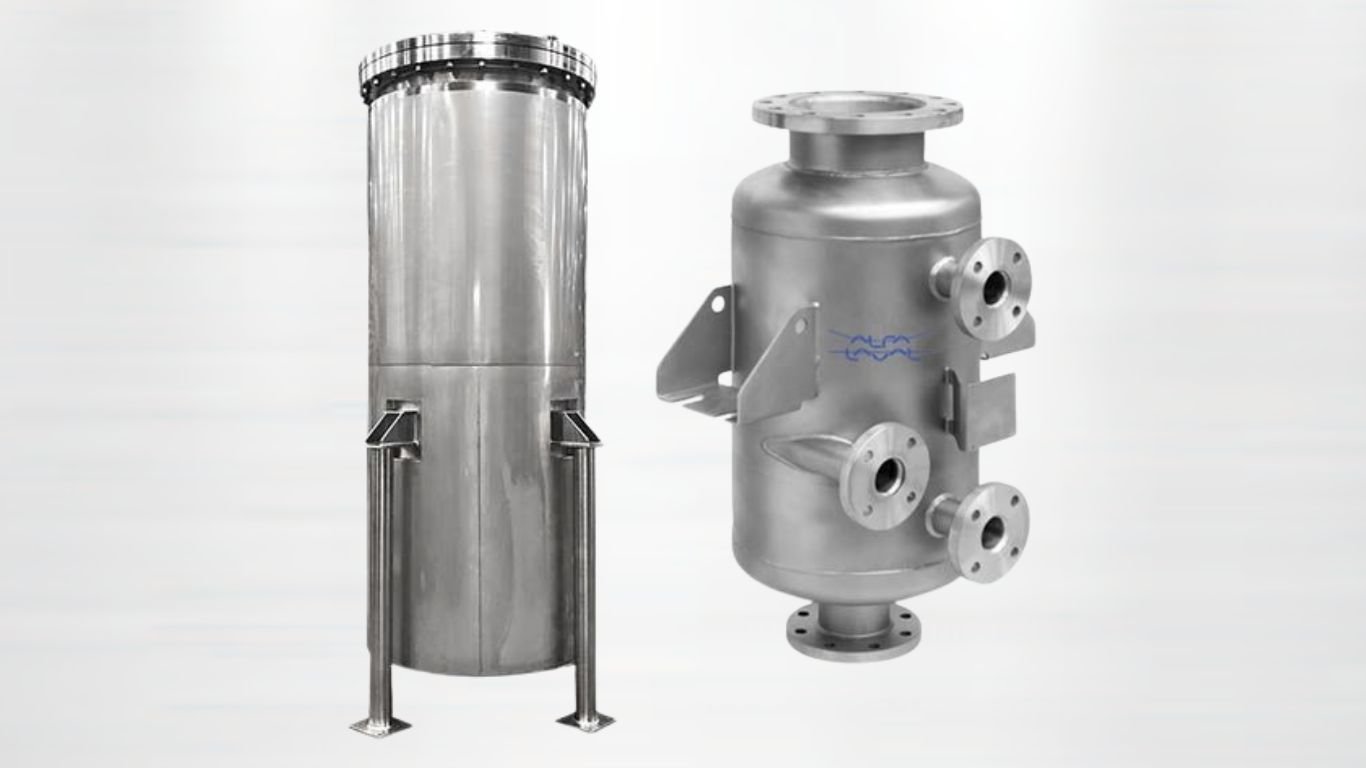
In practice, sizing the coil correctly ensures even heat distribution without hot spots that scorch product. Undersized coils extend total batch times, while oversized coils waste steam and energy needlessly.
Facilities running our batch pasteurization processes rely on properly sized coils for accurate temperature targets. Correct coil design protects both product quality and your process efficiency over the long term. In turn, well-sized coils help you hit temperature targets across each batch run reliably.
Coil placement inside the tank affects circulation patterns throughout the batch heating cycle and prevents scorching. Poor placement creates uneven temperatures that can affect both flavor and final product texture across the batch.
Stainless steel coil construction resists corrosion from acidic dairy products over a long operational service life. Routine descaling keeps heat transfer rates high and prevents unwanted mineral scale buildup over batch cycles. Likewise, well-maintained coils extend equipment life and reduce unplanned steam system repair costs.
Specify the Right Heat Exchanger for Your Steam System
Selecting among the many available heat exchanger types depends heavily on pressure, footprint, and product handling needs. Shell and tube, plate, and coil-in-tank designs each solve different steam challenges in their own way. Matching the right design to your process protects both operating efficiency and long equipment life.
Koss Industrial designs and fabricates steam heat transfer equipment matched to your exact process requirements. Our engineers help you compare available designs before committing to a final written specification for your facility. Contact our team today to discuss the right heat exchanger for your steam project.


