
A complete plant sanitation overhaul often sounds appealing until you calculate the total cost and downtime involved. Mobile carts and retrofit kits now bring industrial tank cleaning equipment to facilities without major new construction. Tight budgets and packed production schedules leave little room for a disruptive rebuild in most facilities.
Manual washing still ties up valuable staff hours that many facilities can no longer spare today. According to the National Association of Manufacturers, roughly 1.9 million manufacturing jobs may go unfilled by 2033. You can close that staffing gap using mobile and retrofit sanitation technology built for existing plants.
Mobile industrial tank cleaning equipment mounts spray devices, pumps, and controls onto a single wheeled cart. Operators roll the cart to any tank on the floor and connect it through existing fittings. Each cycle runs automated, repeatable cleaning without installing new plumbing at every tank in the plant.
Automating Industrial Tank Cleaning Equipment Without a Full Rebuild
Retrofitting older tanks with automated spray devices restores modern cleaning performance without replacing the entire vessel. Facilities still add programmable controls that upgrade cleaning quality while keeping the original equipment fully in service. Industrial tank cleaning equipment retrofits cost far less than a complete tank replacement across most mid-sized plants.
Retrofit projects also install with far less disruption to daily production schedules across the entire plant. Mobile carts extend this same benefit to areas lacking permanent Clean-in-Place (CIP) plumbing systems today.
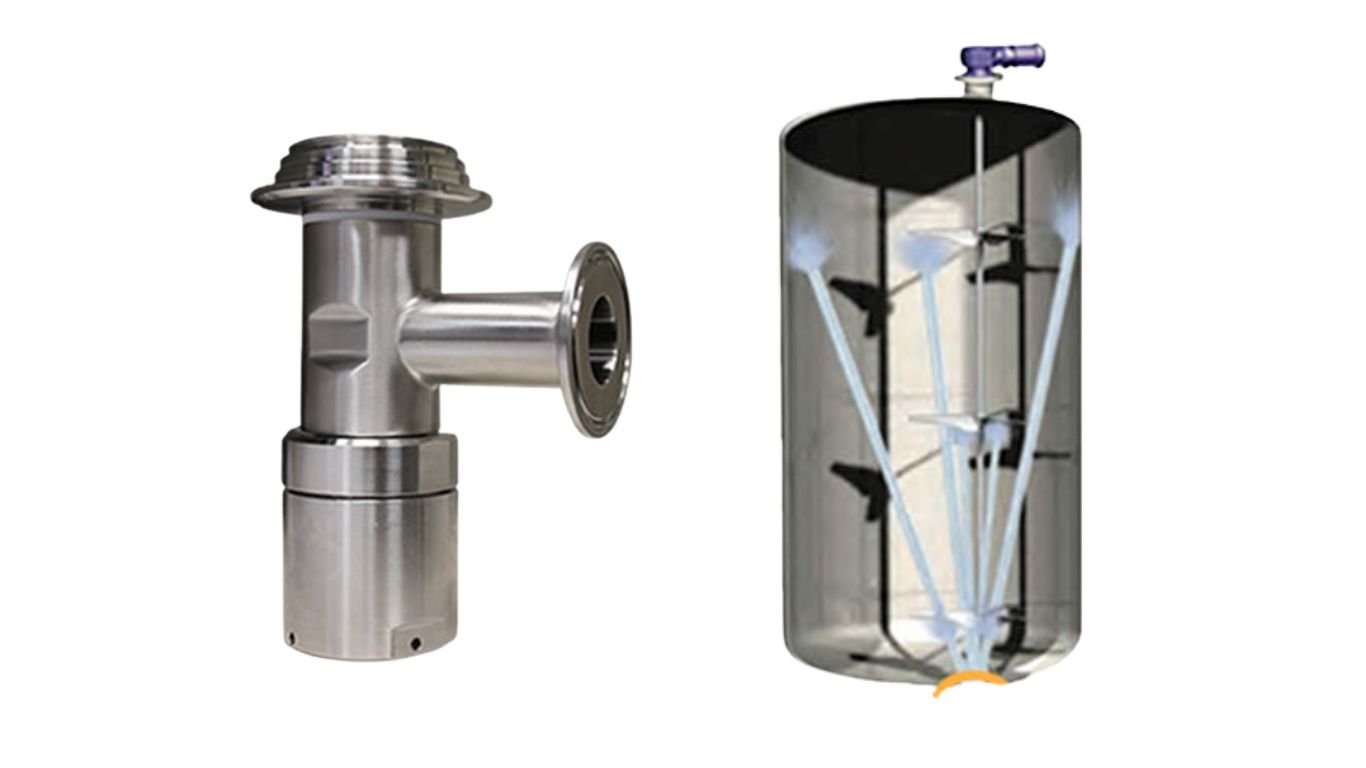
Facilities focused on stronger hygiene standards can deploy mobile carts across several tanks at once. One mobile unit can therefore serve an entire wing of a busy plant during a single shift. Mid-sized processors gain full automation benefits without committing to a large upfront outlay for new equipment.
Retrofit kits also pair well with pump and valve upgrades already planned for the whole plant. Plants avoid scheduling two separate outages when both upgrades happen during one combined shutdown window.
Retrofit automation in fact gives plants a documented, repeatable cleaning cycle for every single shift. Reliable cycle times matter most during inspections, audits, and new hire training sessions for the whole team. Steady cleaning quality holds even when staffing levels shift across multiple plant shifts each week.
Freeing Up Staff With Industrial Tank Cleaning Equipment Automation
Manual cleaning consumes labor hours that could go toward production, maintenance, or quality control tasks. Automated spray cycles run on a fixed schedule regardless of staffing levels across every plant shift. Industrial tank cleaning equipment protects sanitation quality even during serious labor shortages at food plants.
Reliability still matters most on shifts where trained cleaning staff remain genuinely hard to find. Programmable controls log cycle times, temperatures, and chemical levels automatically for every plant audit and inspection. Automatic records replace the handwritten logs that often go missing during routine plant inspections and reviews.
Facilities pairing this data with predictive maintenance insights catch equipment problems before they spread across the plant. Plants therefore get better records and far fewer surprises from a single automation investment made early.
Freed-up staff can instead focus on inspection tasks that genuinely need human judgment every day. Supervisors gain more time to train new hires on quality standards and important safety procedures. Automation ultimately turns cleaning from a daily burden into a reliable process that runs itself.
Facilities scaling this program across the plant see faster payback on their initial automation investment. Staff morale also improves once tedious manual scrubbing work moves to fully automated cleaning systems.
Planning a Phased Rollout of Industrial Tank Cleaning Equipment
Phased rollouts let plants budget industrial tank cleaning equipment across multiple fiscal years with ease. Start with the tanks that demand the most manual labor hours from staff every week. Savings from that phase then fund the next stage of your rollout plan across the facility.
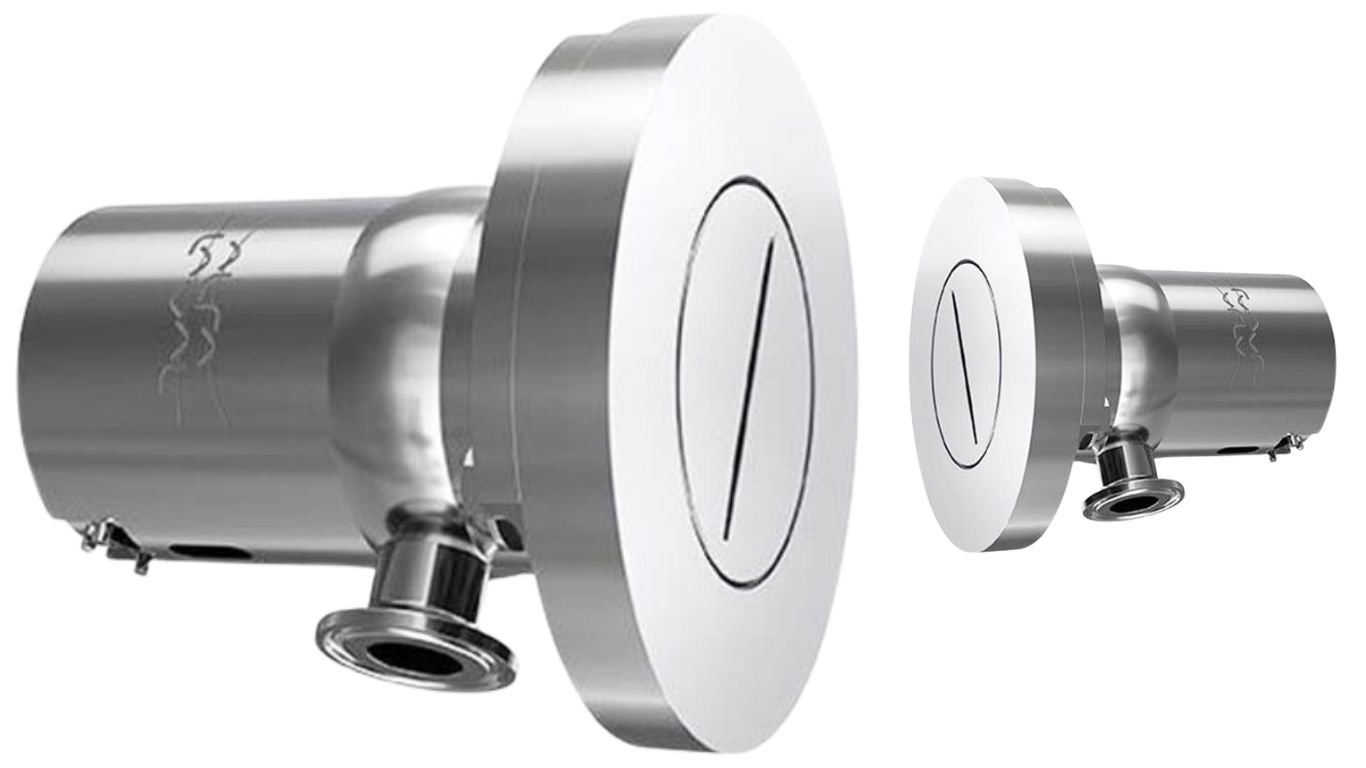
Early wins build strong momentum and justify larger budget requests among finance leaders and executives. Finance teams respond well to a plan showing clear, measurable phase results each fiscal quarter.
Staff training on new controls should happen well before equipment reaches the production floor for use. Operators need hands-on practice with programmable settings before running an actual shift without close supervision.
A facility certification checklist keeps each rollout phase aligned with food safety standards from start to finish. Consequently, plant managers avoid costly compliance gaps that can appear between rollout phases across the facility. Each completed phase becomes a working template for automating the next tank in the cleaning line.
In turn, plants build lasting institutional knowledge about industrial tank cleaning equipment across every department. Maintenance teams learn the new system gradually instead of adopting it all at once during training. A phased approach ultimately reduces risk while modernizing tanks across the entire processing plant over time.
Start Modernizing Your Sanitation Program Today
Mobile carts and retrofit automation help mid-sized processors modernize cleaning without a disruptive full rebuild. Overall, better sanitation records, freed-up labor, and stronger documentation follow directly from one equipment upgrade. Industrial tank cleaning equipment now closes labor gaps while keeping every tank fully compliant with regulations.
Koss Industrial designs mobile and retrofit systems fit to your existing tanks, layout, and budget. Our team can assess your current cleaning setup and recommend the right automation path forward. Reach out to our team today and start planning your sanitation upgrade for the future.


