
Skipping routine maintenance on rotating industrial equipment always costs your facility far more than scheduled repairs would. An industrial lobe pump depends on several specific checkpoints to keep it running reliably each shift. Missing any one of those checkpoints shortens service life and risks unplanned, costly production line downtime and frustrates operators.
Rotor clearances, mechanical seals, and timing gears all wear down gradually under normal daily operating conditions. Catching that wear early through scheduled inspection prevents small issues from becoming expensive equipment failures later. Our engineers walk you through every checkpoint your maintenance program should never skip, no matter your pump model.
Inspecting Rotor Clearances and Timing Gears on Your Lobe Pump
Rotor clearances change gradually as normal wear steadily accumulates across months of continuous industrial lobe pump operation. Measuring clearance against the manufacturer’s exact specification, therefore, catches drift before pumping efficiency starts to drop each month. Excessive clearance lets product slip backward through the rotors, reducing flow rate and wasting valuable pumping energy.
Timing gears keep the two rotors closely synchronized so they never make unwanted contact during normal rotation. Worn or misaligned gears risk a sudden collision that can destroy both rotors in a single event. Regular gear inspection, in turn, prevents this costly failure mode for your team during scheduled maintenance windows.
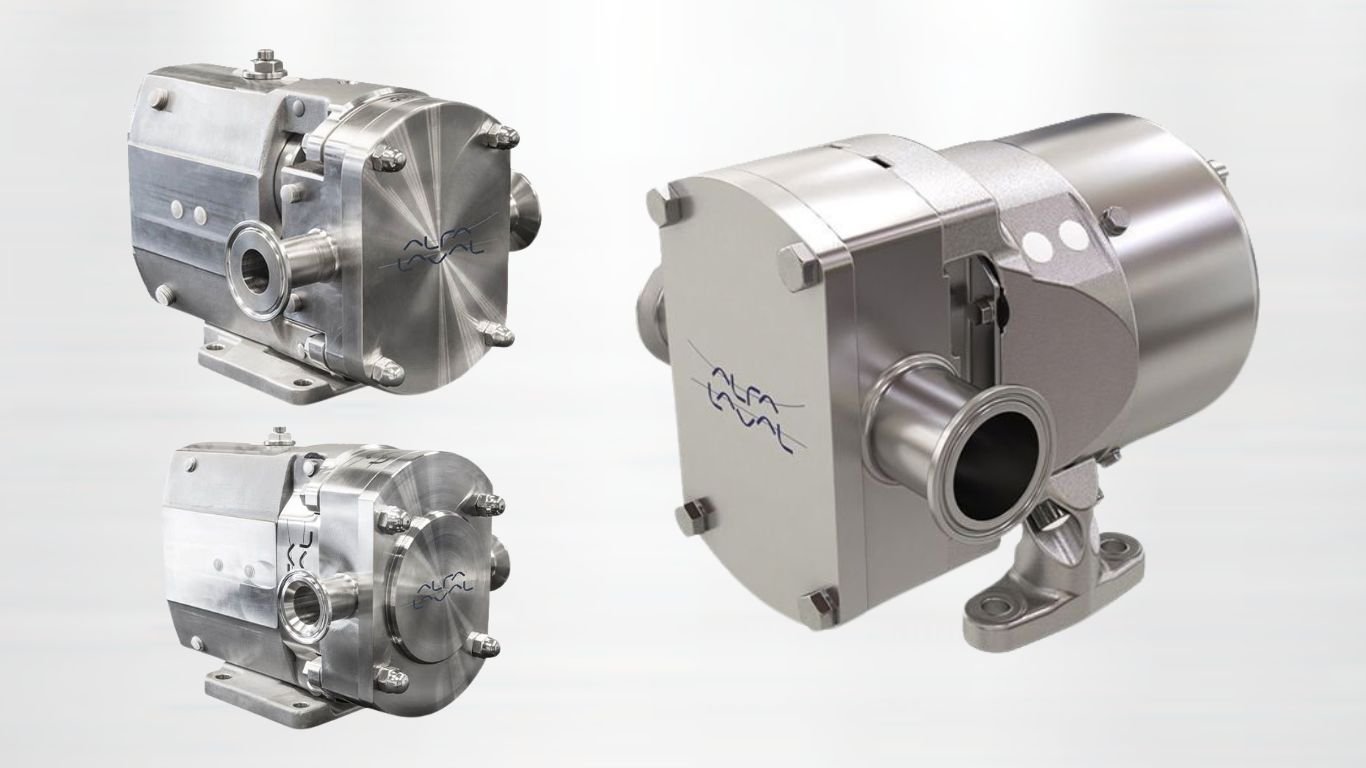
However, facilities tracking wear trends closely through predictive maintenance software catch clearance drift much earlier each week. Sensor data flags unusual vibration or temperature patterns long before any visible failure occurs. Acting on those early warnings keeps your lobe pump running smoothly for a decade or more.
Lubrication of the timing gear case also deserves close attention during every scheduled maintenance visit on the shop floor. Low or contaminated lubricant accelerates gear wear far faster than normal operating conditions allow inside the gearbox.
Checking Mechanical Seals and Housing Wear
Mechanical seals prevent product from leaking past the rotating pump shaft into the surrounding plant environment. In fact, seal wear often shows up as visible leakage or reduced pumping pressure fairly quickly. Catching seal wear early prevents costly product loss and protects nearby equipment from contamination risk during routine shift changes.
Seal face material must always match your specific lobe pump product and cleaning chemistry closely. However, the wrong seal material fails fast under aggressive cleaning chemistry or sustained high heat exposure. Matching seal compounds to your process conditions prevents premature failures and avoids costly, unplanned downtime events each season.
Housing wear from abrasive product or repeated dry running demands regular, careful visual inspection routines every week. A pump troubleshooting mindset helps here, since small leaks often predict much larger failures down the road.
Catching housing wear early prevents a full pump rebuild later in its otherwise useful service life. Replacing seals on a fixed schedule, rather than waiting for failure, avoids unplanned production stoppages on your busiest line.
Documenting every seal replacement date carefully helps your team predict the next service interval accurately for budget planning. In the end, a proactive seal program protects uptime and output across every plant shift.
Verifying Alignment and Sanitary Fitting Condition for Your Lobe Pump
Shaft alignment between the pump and its drive motor affects bearing life in a direct way. Misalignment creates uneven wear on bearings, seals, and couplings across the pump drivetrain assembly. Checking alignment during scheduled maintenance visits prevents a cascade of related component failures for years down the line.
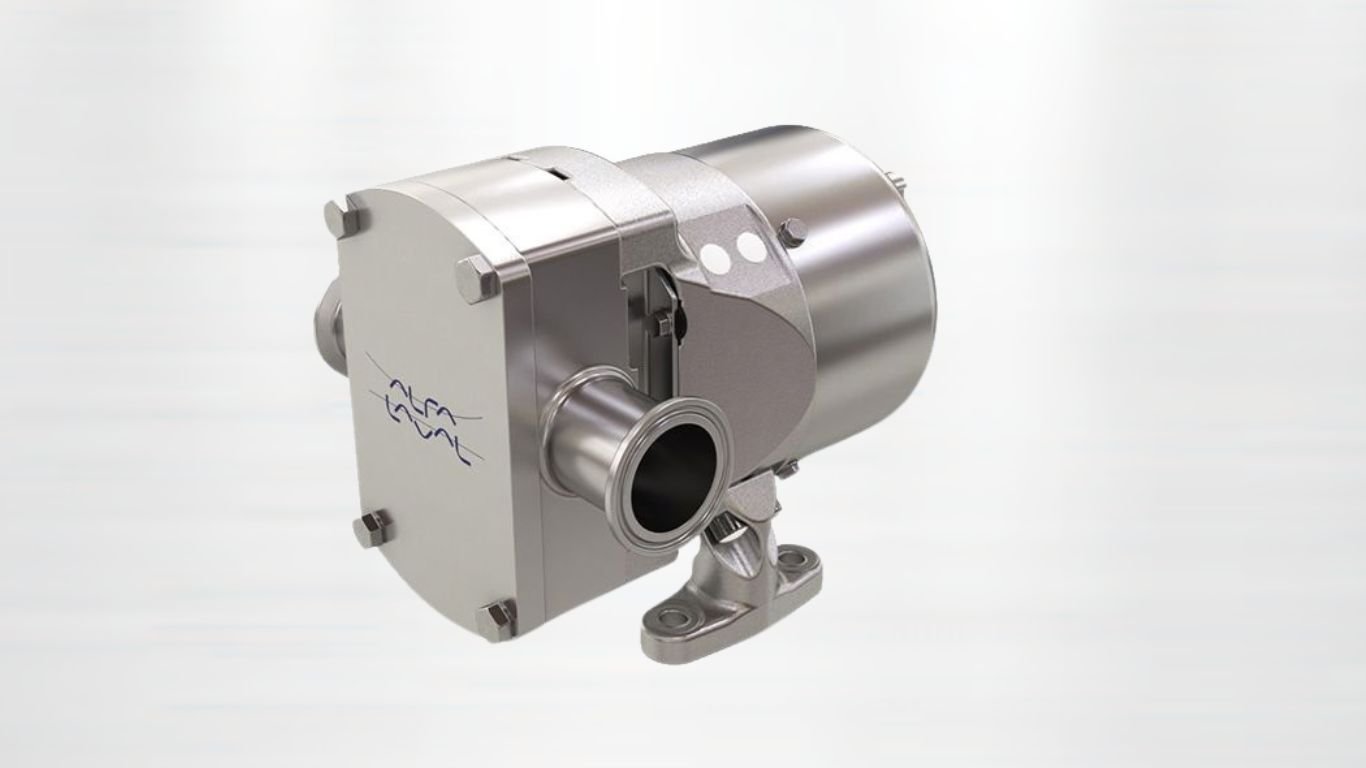
Vibration readings taken during routine maintenance rounds reveal alignment drift long before any visible symptoms appear. Consequently, correcting drift early protects your lobe pump bearings from premature and needlessly costly failure events. Sanitary fittings and gaskets connecting the pump to your process piping need routine, careful visual inspection. Worn gaskets create leak points that compromise both sanitation and process efficiency across the shift. Replacing worn gaskets during scheduled visits keeps your process running clean and highly efficient year round.
Facilities using stainless leveling feet benefit from stable mounting that resists alignment drift for years. Stable equipment mounting reduces the vibration that accelerates wear across every rotating pump component during long production runs.
Alignment checks, therefore, protect your lobe pump investment for many years of reliable daily plant service. Bearing failures caused by drift often cost your facility far more than routine alignment inspection would. Building alignment checks into your maintenance schedule ultimately protects both uptime and long-term equipment value.
Build a Maintenance Program That Protects Your Lobe Pump
Regular attention to rotor clearances, seals, timing gears, and alignment keeps a lobe pump running reliably every day. Skipping any single checkpoint risks a failure that costs far more than routine maintenance would in lost production hours. Building these checks into your regular schedule protects both your uptime and your maintenance budget for years to come.
Koss Industrial supplies and services lobe pumps built for demanding food and beverage processing applications nationwide. Our team helps you build a maintenance schedule that catches problems well before they become expensive. Reach out to our engineers today to review your current lobe pump maintenance program in detail.


