
Most heat exchangers get specified once and run the same duty for the next twenty years. A gasketed plate heat exchanger doesn’t have to work that way. Its plates come apart, its gasket material can change, and its capacity can grow or shrink without replacing the whole unit.
That flexibility comes from a simple mechanical choice. Welded and brazed plate packs seal the plates permanently together, which is fine until the process changes. A gasketed design holds those same plates in place with compression and a replaceable seal instead. The unit can be taken apart, reconfigured, and put back into service.
Why a Plate Heat Exchanger Handles Multiple Duties
Adding or removing plates changes the heat transfer surface area without touching anything else on the line. A plant that outgrows its original duty can add plates instead of buying a second unit. A plant that shifts to a lower-volume product can pull plates and right-size the exchanger for the new run. Neither change requires a new frame, new piping, or a new footprint on the floor.
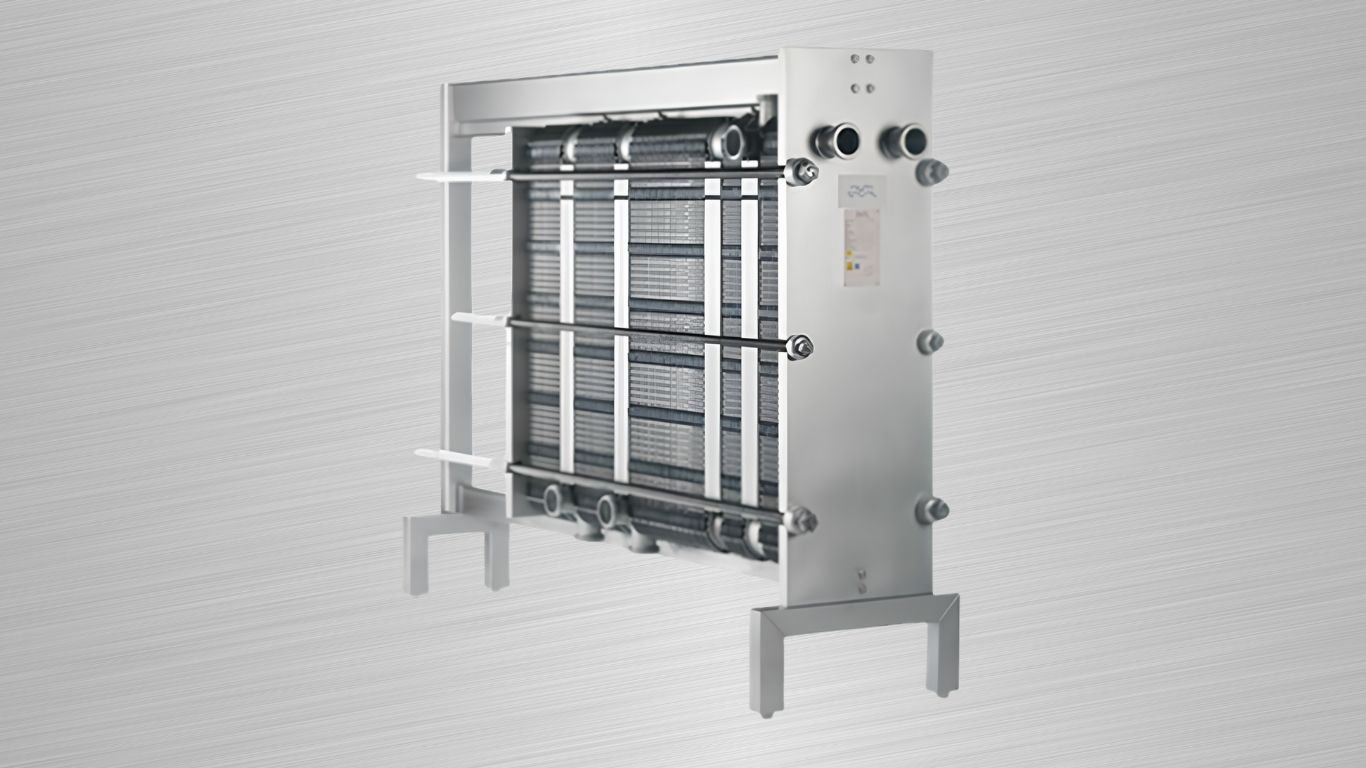
That same disassembly makes it practical to inspect and clean every plate individually. A plant doesn’t have to just flush the whole pack and hope. A fouled or scratched plate gets replaced on its own, and the rest of the pack stays in service without a full teardown.
Gasket Material Is Where the Real Versatility Lives
The plates themselves are stainless steel almost every time. The material decision that actually changes with the application is the gasket. FDA regulations for rubber articles in repeated food contact approve a range of elastomers, and each one suits a different duty.
EPDM handles a wide temperature range at a reasonable cost. Silicone tolerates higher heat than EPDM can manage. Nitrile holds up better against fats and oils than either one. Each material also carries its own extraction limits under aqueous and fatty food testing, so the right choice depends on what’s actually running through the plates that day.
Matching the gasket to the product means the same plate heat exchanger frame can move between duties over its service life. A frame built for pasteurizing milk doesn’t need a full redesign to handle a higher-fat product later. A new gasket set often does the job. That’s a very different proposition than a welded exchanger, which stays built for exactly one duty for as long as it’s in service.
The 3-A Standard Behind Plate and Frame Heat Exchanger Design
3-A’s standard for plate-type heat exchangers covers manufacturing, fabrication, and installation details. These details keep a gasketed unit cleanable, even if it features more surfaces and seals than a welded design. This is a real tradeoff worth naming as versatility comes from disassembly. More importantly, disassembly creates more places where a seal needs to hold.
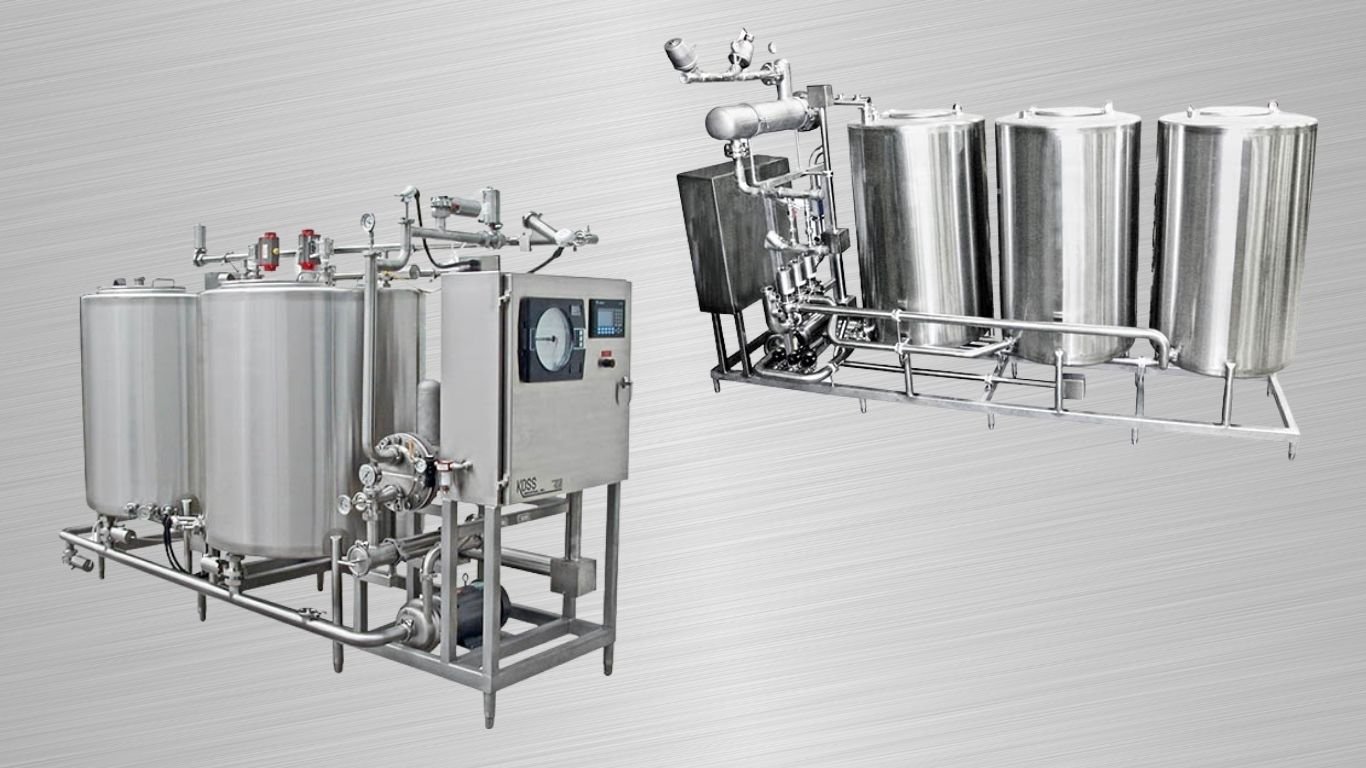
Plants running tank cleaning equipment and other CIP-heavy systems already understand this balance. A component built for full CIP cycles has to seal reliably through hundreds of cleaning cycles. It can’t just pass inspection on day one and hope the seal holds after that. A plate and frame heat exchanger built to the 3-A standard is held to that same bar.
Changing Production Needs? Look For Plate Heat Exchangers Built by Koss
Koss Industrial specs gasketed plate heat exchangers to match a plant’s current product mix. That spec also leaves room to reconfigure later, once the product mix inevitably shifts. That flexibility matters most in systems like HTST pasteurizer systems. The same regenerative and heating sections in those systems often see more than one product run through them across a single production day.
Tracking gasket condition over time is easier with predictive maintenance built into the line. A seal that’s starting to leak shows up in that data before it shows up as a pressure drop on the floor. A fouling plate pack shows up the same way, well before it turns into a product mix-up. Koss builds for the cheese industry and the broader dairy processors it serves, where product changeovers happen often enough that a fixed-duty exchanger rarely makes sense.
A gasketed plate heat exchanger earns its versatility on paper. That versatility only holds up in practice if the unit gets specified and maintained correctly. It needs the right gasket material for the job and a cleaning schedule that actually gets followed. If your Green Bay area-based plant would like to weigh options for plated heat exchangers, the Koss team is more than glad to lend a hand.


