
A pump that’s cavitating usually announces itself with noise first. Operators describe it as marbles or gravel rattling around inside the casing. That sound is vapor bubbles collapsing against the impeller. By the time anyone notices it, the damage has already started.
Pump cavitation happens when pressure at the suction side drops below the liquid’s vapor pressure. The liquid flashes into tiny bubbles. Those bubbles travel into the higher-pressure region of the impeller and collapse violently. Each collapse sends a microscopic shockwave into the metal around it, and those shockwaves add up fast.
Why Pump Cavitation Starts Long Before Anyone Notices
The Hydraulic Institute defines the margin a pump needs between the suction pressure available and the suction pressure required. That margin has a name: net positive suction head, or NPSH. When the available NPSH drops too close to what the pump requires, cavitation starts. Nothing on the outside of the pump has to look wrong for that to happen.
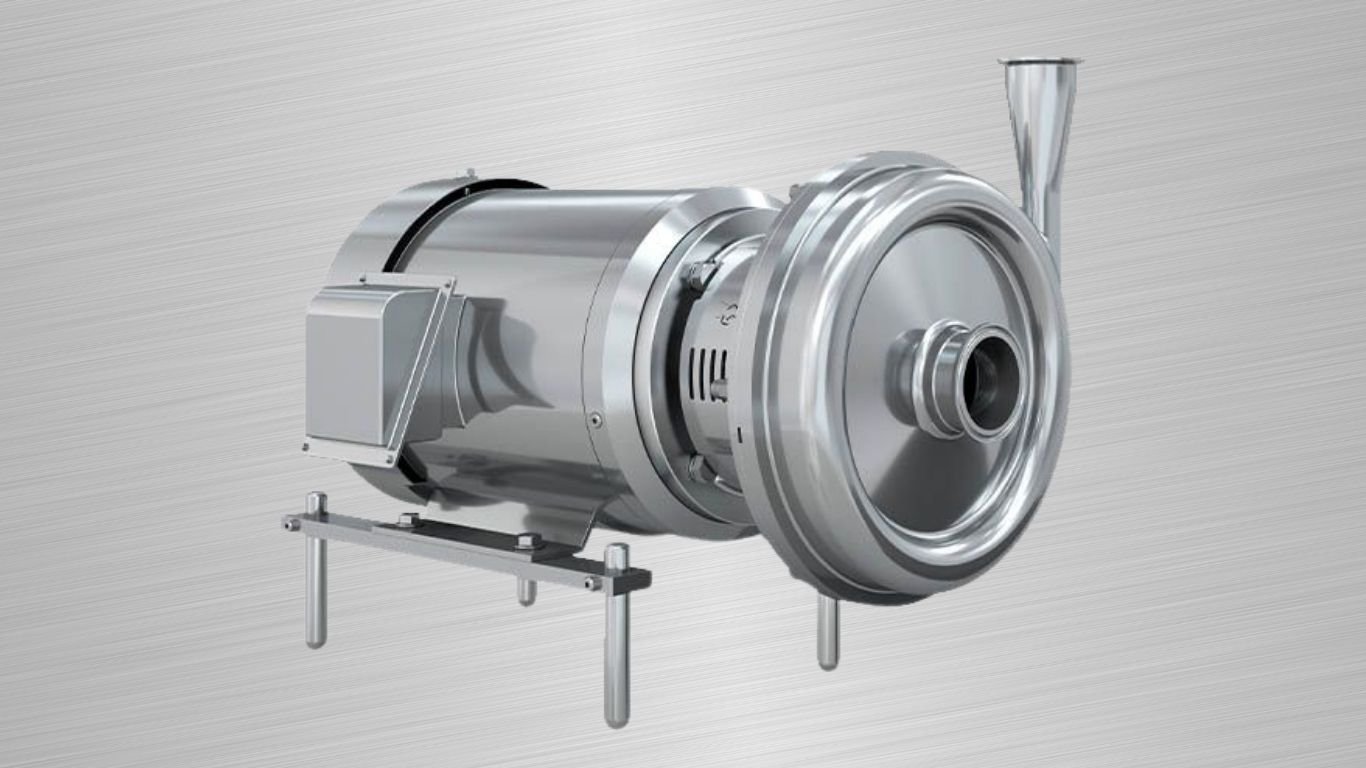
Operating away from a pump’s best efficiency point makes this worse. A pump running far off its BEP creates flow separation and turbulence at the impeller inlet. That turbulence increases the NPSH margin the pump actually needs to stay cavitation-free. A pump that was fine at its rated flow can start cavitating the moment demand shifts, even if nobody touched the suction piping at all. That’s part of why cavitation problems so often show up after a process change rather than at initial startup, when the pump was still running close to the flow it was originally sized for.
Sizing the Suction Side Prevents the Problem Before It Starts
The U.S. Department of Energy recommends keeping available suction head at least 25 percent above what the pump requires. That buffer margin isn’t padding but should hold across the whole range of expected flow rates and not just the rated point. It’s what keeps normal variation in temperature, elevation, and flow from tipping a pump into cavitation.
Getting that margin right happens at the design stage, long before a pump ever gets installed. Suction piping that’s too long or too narrow eats into the available head before the liquid even reaches the pump. Too many fittings do the same thing. Every elbow, tee, and reducer on the suction side adds friction loss that has to come out of the available NPSH budget. Fixing that after installation usually means repiping, not just swapping a part, which is a far more expensive correction than getting the layout right the first time.
The Costs That Add Up While Cavitation Goes Unaddressed
Cavitation damage doesn’t wait for a scheduled shutdown. Impellers erode a little more with every hour of operation. Mechanical seals wear out faster under the added vibration. Energy consumption climbs as the pump works harder to deliver less actual flow.
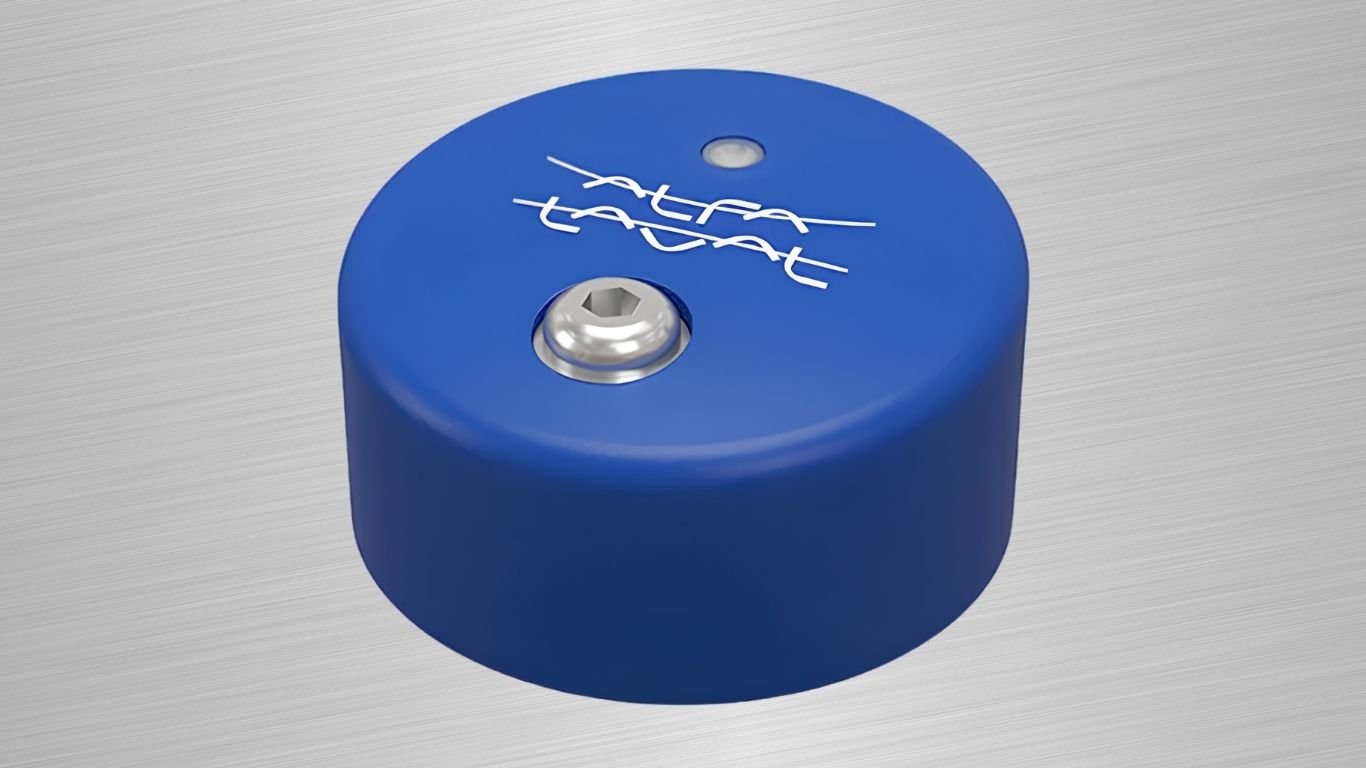
None of these costs shows up as a single line item on a maintenance report. This is exactly why cavitation gets ignored longer than it should. Catching the problem early usually comes down to catching the noise and vibration signature before it turns into a failed impeller. Predictive maintenance built into a line is well suited to exactly that kind of pattern. It flags a developing cavitation problem while it’s still a minor fix, not a full pump replacement.
Pump Cavitation Prevention Built Into Koss Systems
Koss Industrial sizes suction piping and pump selection together. Pump cavitation isn’t treated as a problem to troubleshoot after installation. That approach includes how the pump gets mounted. A pump bolted to an unstable base amplifies the vibration cavitation already causes. The same principle behind durable stainless leveling feet applies just as much here as anywhere else on the line.
That attention to suction conditions matters most in systems like HTST pasteurizer systems. Flow rates change throughout a run in those systems. A pump sized only for one operating point can drift into cavitation at another. Koss manufactures equipment for the cheese industry and the broader dairy processors it serves, where that kind of flow variation is the rule and not the exception.
Cavitation rarely shows up as a single dramatic failure. It shows up instead as a slow accumulation of energy waste, wear, and unplanned repairs. All of it traces back to one overlooked margin, one that costs far less to correct on paper than it does once the pump is already in the ground and running. For Wisconsin plant operators chasing a rattling pump and needing solutions, the Koss team can help provide the right equipment.


