
A pipe can look spotless outside yet still harbor bacteria inside whenever the finish falls short of sanitary standards. Stainless tubing surface finish determines whether product residue rinses away cleanly or clings to microscopic pits and scratches. Such small differences shape your food safety program far more than most plant operators ever realize.
Auditors inspecting dairy, cheese, and beverage facilities pay close attention to interior surface quality on every product contact line. A rough or poorly welded tube gives bacteria a place to hide, even after a full clean-in-place (CIP) cycle runs. Here’s why surface finish matters and how your team can choose the right specs for your application.
How Rough Surfaces Create Risks in Stainless Tubing Systems
Microscopic pits in poorly finished tubing trap moisture, sugars, and proteins that standard CIP chemistry struggles to remove fully. In fact, that trapped residue becomes a breeding ground for biofilm, which resists sanitizers far better than free-floating bacteria. A single rough section of stainless tubing can quietly undermine an otherwise strong plant sanitation program overall.
Weld quality plays just as large a role as base material finish across an entire piping system. Poorly executed or unpolished welds create seams and crevices that behave like rough surfaces, even on premium tubing.
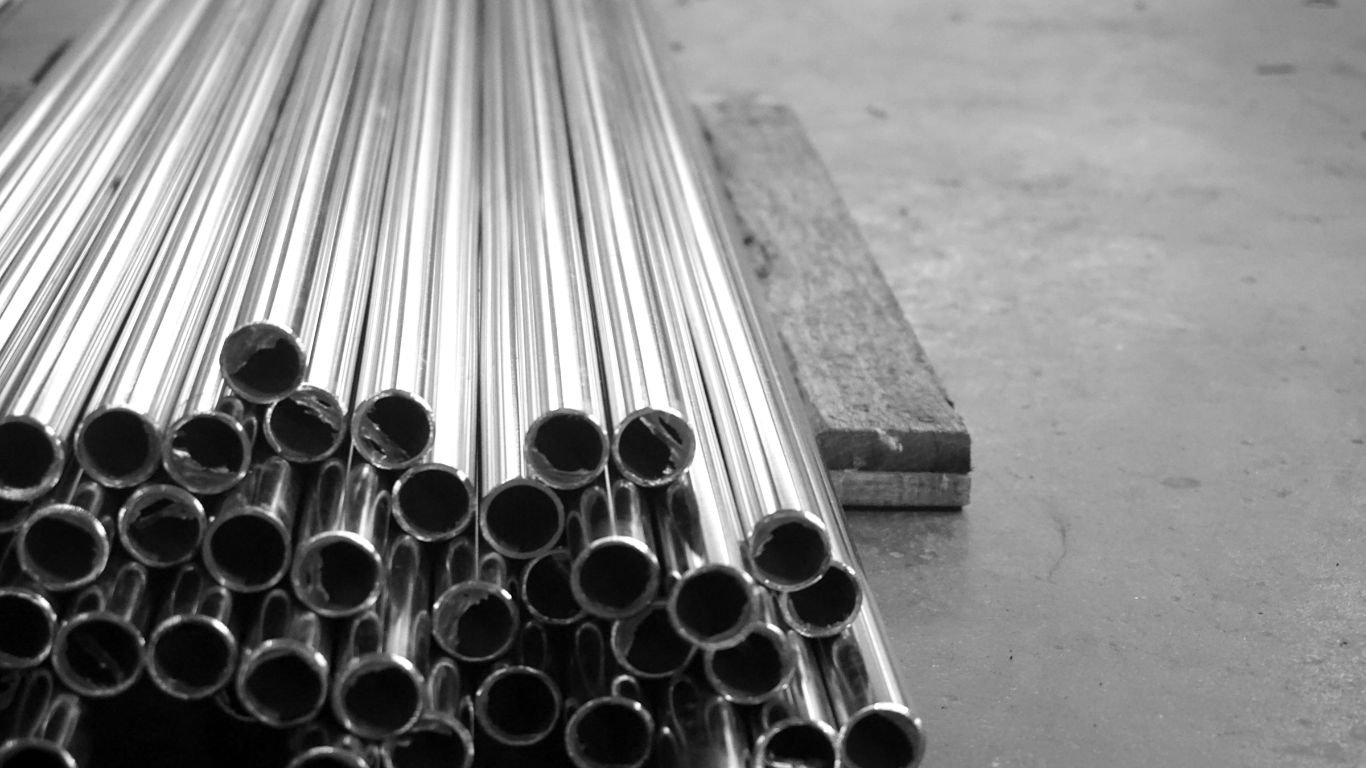
Working with a fabricator who follows 3-A compliant welding standards protects the integrity of every joint in the run. Facilities that overlook weld finish often fail microbiological swabs despite installing proper base tubing throughout the plant. Addressing both the tube and the weld closes that sanitation gap almost completely across your system.
However, even a small imperfection in a single weld bead can hold enough residue to matter over time. Instead of guessing at weld quality, plants should require documented orbital welding procedures for every installation. Routine inspection of every weld keeps stainless tubing lines running clean and reliable for many years.
Selecting the Right Surface Finish for Your Application
Surface finish is measured as Ra, or roughness average, across the interior wall of the tube. Food-grade applications in dairy and beverage plants typically require 32 Ra microinches or smoother across the run. Tubing that meets this standard rinses cleaner and holds up far better under repeated sanitation cycles.
Different processes call for different finish levels, and matching the spec to your application controls both cost and risk. High-purity applications like cultured dairy or infant formula often need mirror-polished interiors below 20 Ra microinches. Standard pasteurized product lines typically perform well at the common 32 Ra microinch benchmark used industry-wide.
Stainless tubing specs should always match the sensitivity of the product moving through that particular line. Higher-purity lines usually justify the added cost of a much finer surface finish specification for long-term product safety. Meanwhile, standard pasteurized product lines rarely need that same level of investment in tubing finish quality.
In practice, documentation matters just as much as the finish itself when it comes to passing an audit. Mill certifications and finish verification reports give inspectors solid proof that the specified standard was actually met on site.
Our team helps plants build custom fabrication specs that match each product line’s real risk level. Such partnerships keep every finish decision grounded in real production needs instead of rough guesswork or outdated industry assumptions.
Facilities that keep documentation current move through audits much faster than those that scramble to gather records later. As a result, plants protect both product safety and their long-term audit performance with regulators over time.
Choosing a Fabrication Partner for Stainless Tubing Installations
Choosing the right fabrication partner determines how well your stainless tubing performs for years of daily production. Orbital welding equipment produces cleaner, more uniform welds than manual methods typically allow during field installation work. Experienced fabricators verify weld penetration and surface finish before any tubing run ever leaves the shop.
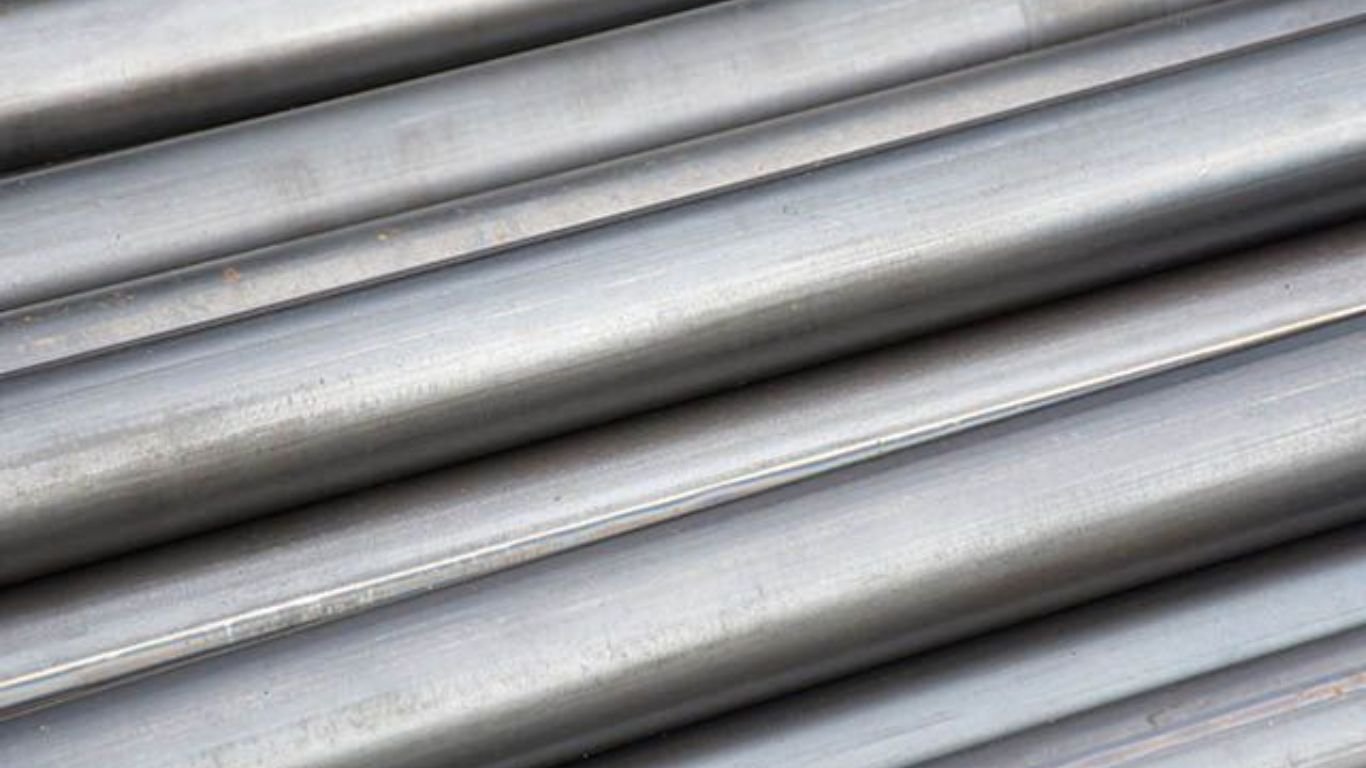
Notably, orbital welders record data from every joint, including current, voltage, and rotation speed for full traceability. Such records give your team proof that each weld met the required sanitary standard fully during every inspection.
Quality control during installation matters just as much as the fabrication work performed in the shop. In turn, inspectors check alignment, support spacing, and slope before final sign-off ever happens on site.
A qualified partner also documents every step of the process for your food safety records and audits. Koss Industrial pairs installation work with predictive maintenance for dairy lines planning for every long-term client. Such ongoing support helps plants catch small problems long before they affect finished product quality or overall plant output.
Ultimately, the right partner protects your long-term investment in stainless tubing well into the years ahead. Ask any prospective fabricator for welding certifications and references from other established food and beverage plants nearby. A strong track record gives you real confidence the system will perform under daily production demands.
Get Expert Help With Your Stainless Tubing Today
Getting surface finish right protects your product quality, audit outcomes, and your brand’s reputation with regulators. Stainless tubing surface finish is not a detail worth leaving to chance during a busy production schedule. The right specification paired with a skilled fabrication partner makes that protection possible from day one.
Koss Industrial fabricates sanitary tubing systems to the exact finish and weld standards your program requires. Our team helps you select, document, and install tubing that holds up to daily production demands. Reach out to our engineers today to review your stainless tubing specifications, plans, and project timeline.


