
Reducing Water Usage in Industrial Food Production With Tunnel Washer Machine Technology
Water is not free. In food production, it is also never cheap. Between product processing, Clean-In-Place (CIP) cycles, and equipment washing, large facilities move through millions of gallons per year. According to the U.S. Environmental Protection Agency (EPA), cleaning process equipment can account for 50 to 70 percent of a food facility’s total water use. That makes it the single largest conservation opportunity in most plants. A tunnel washer machine addresses that opportunity directly. It replaces uncontrolled manual washing with precise, zone-by-zone automated cleaning.
Where Manual Washing Wastes Water
Manual washing is imprecise by design. Workers use hoses, brushes, and spray nozzles to clean trays, bins, molds, and racks. Consequently, the amount of water applied varies by worker, by shift, and by how fatigued the crew is. Some items get over-rinsed. Others get under-cleaned. In a regulated food environment, neither outcome is acceptable. Yet both are common in facilities that rely on manual sanitation programs.
Chemical use follows the same pattern. Dosing is inconsistent. Workers add more detergent when unsure, then rinse longer to compensate. Over a full year, that habit adds real cost to both the water bill and the chemical budget. Beyond cost, inconsistent chemistry creates a hygiene risk that no amount of supervision fully eliminates. As a result, facilities running manual programs routinely use more water and chemistry than the task actually requires.
How a Tunnel Washer Machine Controls Water Use
A tunnel washer machine moves items through a fixed sequence of cleaning zones on a continuous conveyor. Each zone applies a controlled amount of water at a calibrated temperature and pressure. The pre-rinse loosens soil. Then, the hot wash removes it. Afterward, the rinse clears chemistry. Finally, the sanitize step finishes the job. Nothing varies by operator. Nothing depends on crew attention at 2am.
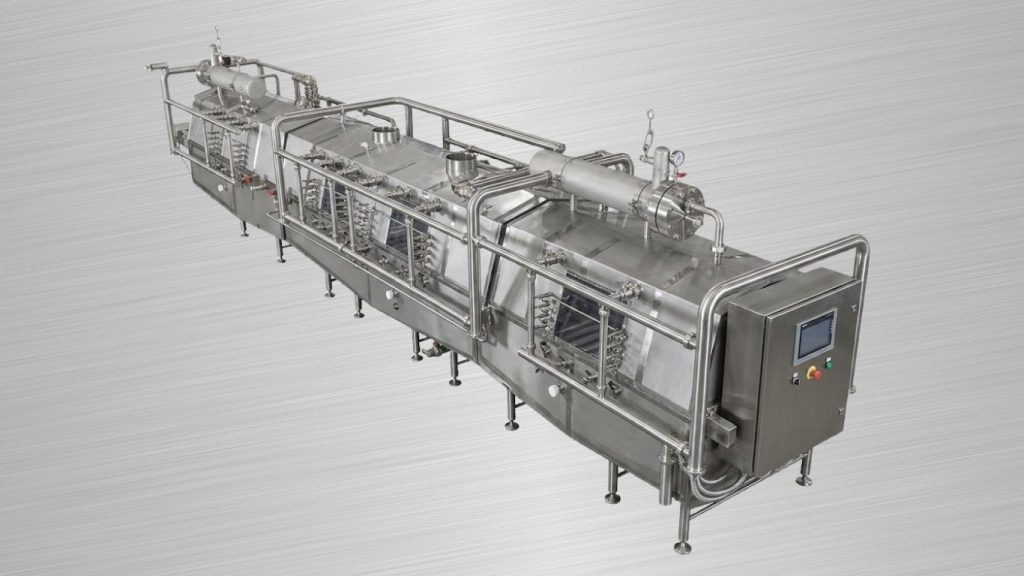
Water savings come from two core design features. First, recirculation. Rinse water overflows back into the wash zone rather than going straight to the drain. That recirculated water still carries heat and residual chemistry, so it continues working before it exits the system. Second, spray nozzle precision. Instead of flooding a surface with a hose, a tunnel washer machine delivers targeted coverage at the angles and pressures needed for each surface type. Together, those features reduce water consumption per cycle compared to manual methods. For a facility washing hundreds of trays, bins, or cheese molds per shift, the daily water volume difference is substantial.
As Dairy Processing has reported, sanitation automation has moved from optional to essential for many dairy plants, with facilities turning to automated wash systems specifically because manual crews produce inconsistent results and are increasingly difficult to staff. That shift is documented at dairyprocessing.com.
The Connection Between Water Savings and Operating Cost
Water savings translate to cost reduction in three areas. First, water purchase costs go down. Second, wastewater discharge fees drop because less water entering the system means less leaving it. Third, energy costs fall, because heating less water requires less energy per cycle. For facilities in regions where water rates are rising or environmental reporting requirements are tightening, those reductions carry strategic value well beyond the monthly utility bill.
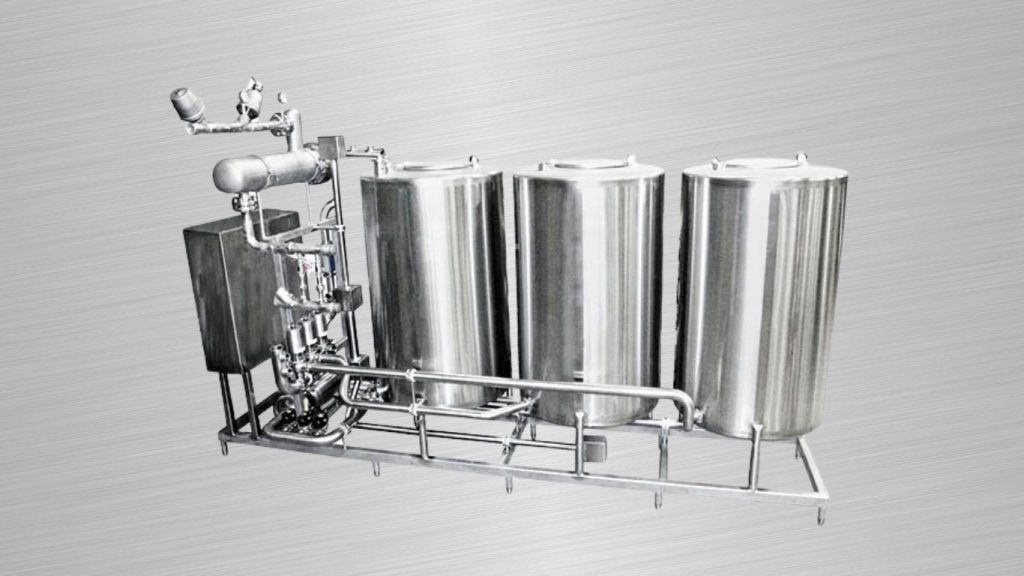
Chemical savings follow the same logic. A tunnel washer machine doses chemistry automatically based on cycle parameters. That precision cuts over-dosing and reduces spend per shift. In contrast, manual programs cannot enforce dosing discipline across an entire crew over an entire shift. Over a full production year, the difference in chemical consumption between a tunnel washer machine and a manual program is significant on both the cost side and the regulatory documentation side.
Sizing a Tunnel Washer Machine for Your Water Goals
Not every tunnel washer machine delivers the same water efficiency. The recirculation design, zone count, nozzle configuration, and sump volume all affect consumption per cycle. For that reason, facilities focused on reducing water use should evaluate those specifications during procurement, not after installation. A system that recirculates rinse water through the wash zone will always outperform one that sends every gallon to drain.
Throughput requirements also shape efficiency. A tunnel washer machine running at the right conveyor speed for its zone length uses water more efficiently than one running too fast to achieve adequate dwell time. Getting that balance right at the spec stage prevents costly redesign later. The EPA’s Lean and Water Toolkit is a useful starting point for assessing water end uses and identifying where automation delivers the greatest reduction. That resource is available at epa.gov/sustainability/lean-water-toolkit-chapter-2.
Koss Industrial builds and stocks tunnel washer machines for the cheese, dairy, and food processing industries. Each system is engineered for sanitary compliance, repeatable performance, and controlled resource use. To review configurations or discuss a custom build, contact us to get started.


