
How a Fully Automated Tunnel Washer System Solves the Sanitation Labor Shortage
Sanitation is the most labor-intensive part of a food processing shift, and it is where workforce shortages hit hardest. According to the Association for Packaging and Processing Technologies (PMMI) Food Safety and Sanitation Trends 2025 report, labor shortages and employee turnover rank as the number one challenge for food and beverage manufacturers, cited by 61 percent of end users. That number reflects a problem that manual sanitation programs cannot fix on their own. A fully automated tunnel washer system offers a direct way out of that pressure.
The Labor Problem in Sanitation Is Not Going Away
Sanitation jobs in food plants share a common set of traits. They run on third shift and often involve hard physical work in wet, hot spaces. In addition, the work requires handling chemicals. Pay is often lower than other plant roles. For those reasons, turnover in sanitation is high and open positions are hard to fill. Many processors report running sanitation crews 20 to 30 percent below full staffing on a given night.
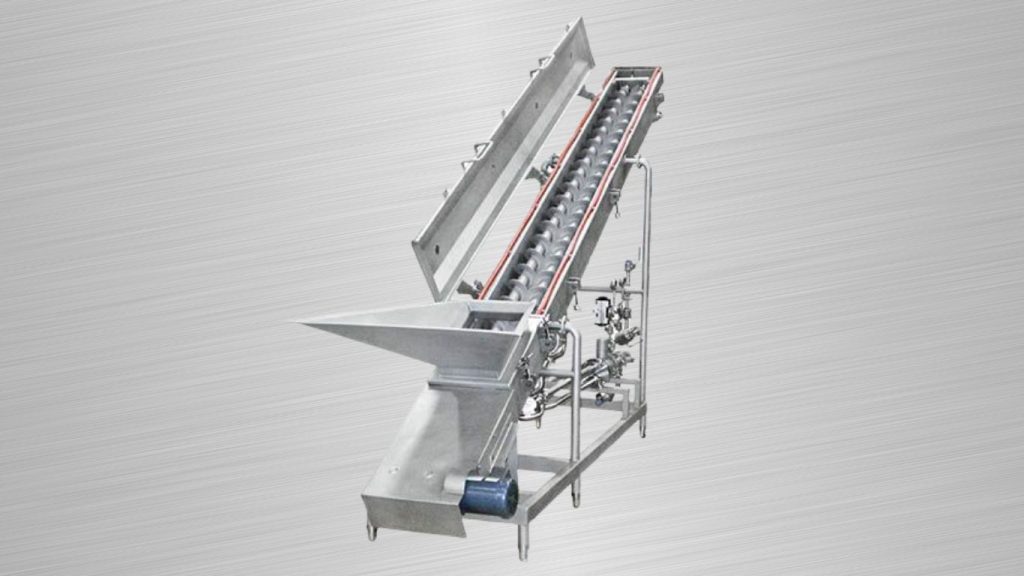
That gap has real costs. When a crew is short, cleaning cycles take longer. That cuts into production time. Workers also cover more area per person. As a result, the risk of missed steps and uneven results goes up. As Food Processing has reported, labor shortages directly affect sanitation quality, making scheduling and team management critical just to hold baseline standards. That is a fragile model for a process that regulators treat as a critical control point.
Higher wages help at the margin. Better scheduling helps too. Neither approach, however, removes the core problem. Manual sanitation requires people to show up, do physical work correctly, and repeat that every shift. A tunnel washer system does not have those limits.
What a Tunnel Washer System Actually Replaces
A tunnel washer system takes over the manual washing of trays, bins, molds, hoops, and racks. Items move through cleaning zones on a continuous conveyor. Each zone runs at set temperature, pressure, and chemistry. Pre-rinse goes first. Then, hot wash follows. Finally, rinse and sanitize complete the cycle. The sequence repeats without change. One operator manages the line. There is no crew standing in a washroom scrubbing by hand.
That shift matters for two reasons. First, a tunnel washer system does not cut headcount by making workers do more. Instead, it removes the manual washing task entirely. Workers move to inspection, documentation, or equipment checks. Those are tasks that need human judgment. In addition, total sanitation labor drops. The staff who remain get called up far more effectively.
Sanitation quality improves as well. A tunnel washer system runs the same settings on every item, every cycle. There is no drift between the start and end of a shift. There is no gap between a full crew and a short one. Swab results get more consistent. In addition, audit records get easier to defend. Beyond that, the program stops depending on who showed up that night.
Repeatability as a Compliance Asset
Food and Drug Administration (FDA) and United States Department of Agriculture (USDA) audits look at two things. Firstly, do sanitation controls exist? Next, do they produce consistent results? Manual programs can pass the first test. However, they often fail the second. Meanwhile, a tunnel washer system passes both. Operators set the parameters. The system holds them on every run. As a result, food safety teams get a clear, data-backed record of performance.
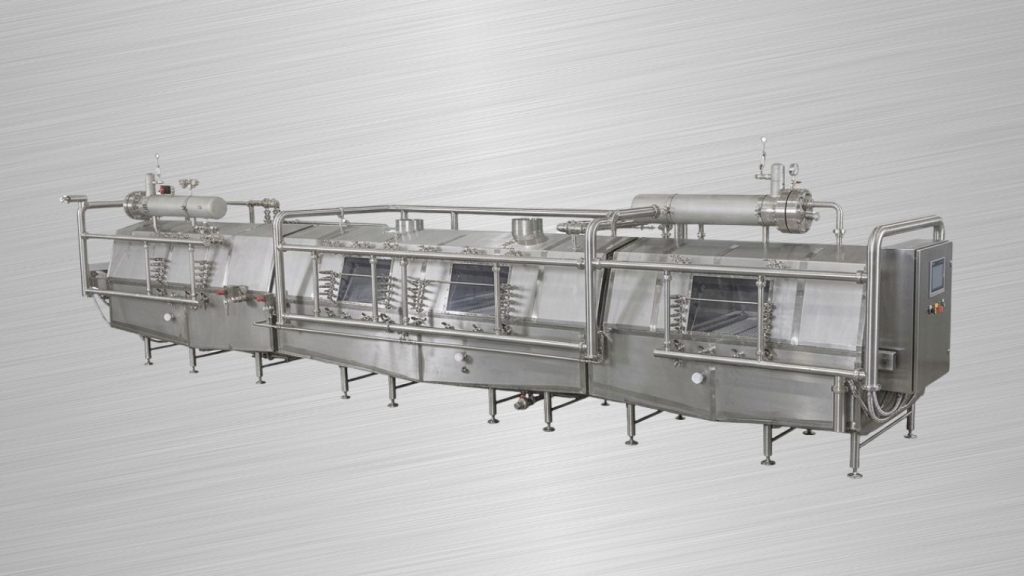
Moreover, that value grows over time. As FDA and USDA raise documentation standards, plants with automated sanitation stand on stronger ground. In contrast, plants relying on manual logs and supervisor sign-offs face growing risk. After all, a tunnel washer system is not just a labor tool. In relaity, it’s a long-term compliance asset.
Matching the Tunnel Washer System to the Line
No single tunnel washer system fits every plant. The range of items to be cleaned shapes the choice. So does the required output per hour. Floor space matters too. A system built for standard dairy trays works differently than one handling oversized bins or odd-shaped cheese molds. Getting that match right at the design stage prevents a costly fix later.
For plants facing both a staffing gap and compliance pressure, a tunnel washer system tackles both at once. That dual return makes the capital case easier to build and easier to approve at the leadership level.
Koss Industrial builds and stocks tunnel washer systems for dairy, cheese, and food processing plants. In-stock options are ready for fast deployment. For plants with specific item ranges or output targets, Koss builds custom systems from the ground up. To find the right tunnel washer system for your line, contact the Koss team.


